Ghana’s Growth Is Rising, But So Are the Jobless
Ready to listen.
Ghana’s economy may be growing, but for many young people, the good news on paper still feels far away from real life. A recent NDPC report has reopened a difficult national conversation about jobless growth the kind that lifts economic numbers without creating enough work for the people who need it most.
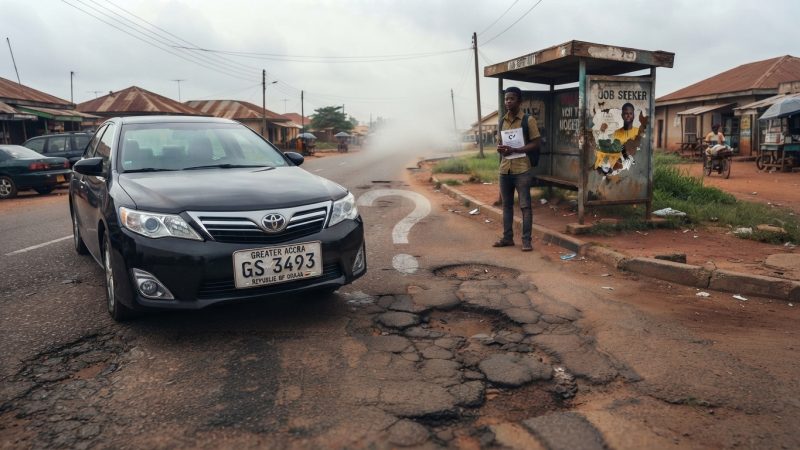
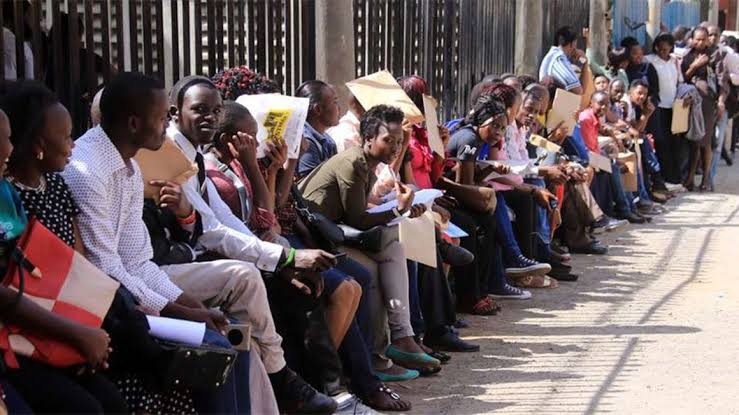
For graduates, job seekers, and young professionals, that gap is more than an economic term. It is the daily reality of sending out applications, waiting for callbacks, and watching opportunities remain scarce even as the country celebrates progress.
When growth does not reach the street
A 6 percent growth rate sounds strong in any headline. It suggests momentum, recovery, and confidence in the economy. But numbers like that can hide a harder truth when new jobs do not appear quickly enough to absorb the country’s growing workforce.
That is the tension at the heart of the NDPC warning. The report does not dismiss growth. Instead, it asks a more uncomfortable question: growth for whom?
That question matters because economic expansion only becomes meaningful when people can feel it in their lives. If businesses expand but hiring does not follow, then the benefit stays trapped at the top of the economy while young people carry the frustration.
The youth unemployment burden
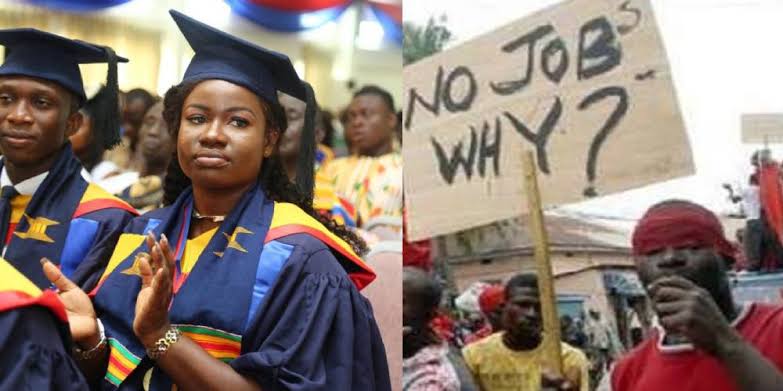
The youth unemployment crisis has become one of Ghana’s most painful challenges. For many young people, education no longer guarantees a clear path to work, and that uncertainty shapes everything from family expectations to long-term planning.
Some young Ghanaians finish school and enter a job market that rewards experience they do not yet have. Others try to survive through informal work, temporary contracts, or small side hustles while they wait for something more stable. That reality creates pressure not only on individuals, but also on households that invested heavily in education and expected a better return.
The result is a generation that feels stuck between preparation and opportunity. They are trained, ambitious, and ready to work, yet the economy often fails to absorb them fast enough.
Why the warning matters now
The NDPC’s concern should not be treated as a technical report that sits on a shelf. It reflects a bigger problem that keeps showing up in national conversations: Ghana can post promising growth figures, but if jobs do not follow, the country risks deepening frustration instead of building confidence.
That frustration has social consequences. Young people who cannot find decent work often delay major life decisions, struggle with independence, and lose faith in public promises. Over time, that kind of pressure can shape migration, family life, and even trust in national development plans.
This is why jobless growth is not just an economic issue. It is a social one. When the economy rises without creating enough pathways for young people, the country may grow richer in theory while becoming poorer in hope.
What the country must do
The real challenge is no longer how to grow the economy. It is how to make growth create jobs at a much faster pace. That means supporting sectors that can absorb large numbers of workers, encouraging entrepreneurship, and building stronger links between training and industry needs.
It also means thinking beyond big headlines and looking at where opportunity actually appears. Manufacturing, agro-processing, construction, digital services, and creative industries can all help, but only if policy makes room for them to scale in practical ways.
The NDPC warning should push the country toward a harder but necessary conversation: a healthy economy is not one that only grows on paper. It is one that gives young people a reason to believe their effort will lead somewhere.
A familiar but urgent problem
Ghana has heard concerns about unemployment before, but the jobless growth debate feels especially urgent now because the country’s young population keeps looking for signs that things will improve. Each year that passes without enough jobs raises the pressure.
That is why this report matters. It reminds the public that growth statistics can sound encouraging while still leaving too many people behind. And if the country wants its progress to feel real, it must make sure the next percentage point in growth also brings more people into work.