
How Content Creators Became Music’s New Hit Makers.
Ready to listen.
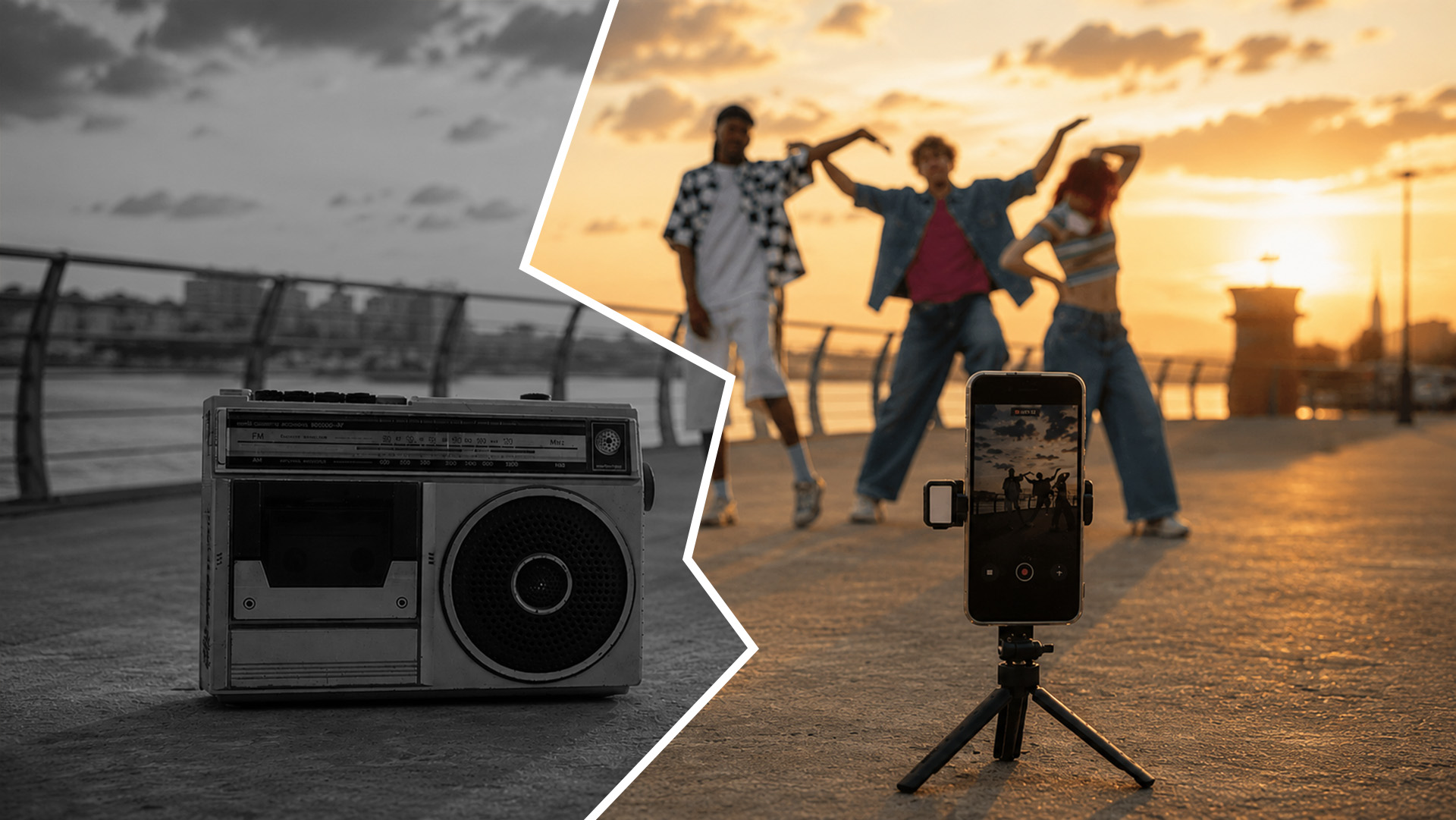
When a new song drops today, it no longer needs radio to become a hit. In many cases, it starts trending on social media first, through dances, short videos, and content creators who turn a track into a viral moment before many people ever get to streaming apps. That shift has changed how people discover songs, how labels promote artists, and even how audiences judge hits.
In the past, a song’s success depended heavily on radio rotation, TV appearances, and label promotion. Today, a catchy hook, a dance challenge, and the right creators can push a song into the public conversation faster than any traditional campaign. Social media has become the new stage, and content creators are now some of the most powerful promoters in music.
Social Media Changed the Game
A few years ago, artists had to wait for DJs, bloggers, and music stations to decide whether a song would catch on. Now, listeners often hear a song first on TikTok, Instagram Reels, Facebook videos, or YouTube Shorts. If the sound connects with people, creators begin using it in skits, transitions, lifestyle videos, and dance clips. Once that starts, the algorithm does the rest.
That is why some songs no longer need a long marketing push. A single trend can do the work of an entire promo team. The song reaches people naturally, through content they already want to watch. By the time the track gets to streaming platforms, many fans already know the hook, the dance, and even the lyrics.
Industry observers estimate that a significant and growing percentage of new music discovery among young Ghanaians now happens through short-form video platforms, not radio, not television, not word of mouth from a friend. The phone screen has become the new radio speaker.
Why Creators Matter So Much
Content creators now help decide what becomes popular. These are Young people with smartphones, a following, and a knack for creating engaging short-form videos. Their power comes not from institutional authority but from the algorithm and the trust of their audience. A single post from a content creator with 200,000 followers can reach more people than a week of radio rotation.
Their pages are where new sounds are tested in public. When creators use a song, they give it visibility, but they also give it energy. Their audiences copy the trend, share the videos, and help spread the sound even further.
This matters because people trust creators. A song used in a fun video or dance challenge feels less like an advertisement and more like a cultural moment. That makes people more likely to search for it, stream it, and share it with others. In other words, creators are not just promoting music, they are shaping taste.
One of the clearest examples is Medikal’s “Shoulder.” The song picked up major momentum after the “Shoulder” dance challenge took over social media. Its popularity was so strong that it later went on to win big at the 27th Telecel Ghana Music Awards, taking home Telecel Most Popular Song of the Year, Best Collaboration of the Year, and Best Hiplife Song of the Year.
The song also won Best Dance Challenge of the Year at the Ghana Dance Industry Awards, showing just how far a viral dance trend can travel when the public fully embraces it. The dance challenge did more than entertain people. It helped turn the song into a major cultural moment. That is exactly how social media works now: it can take a song from being just another release to becoming one of the biggest songs of the year.
Streaming No Longer Comes First
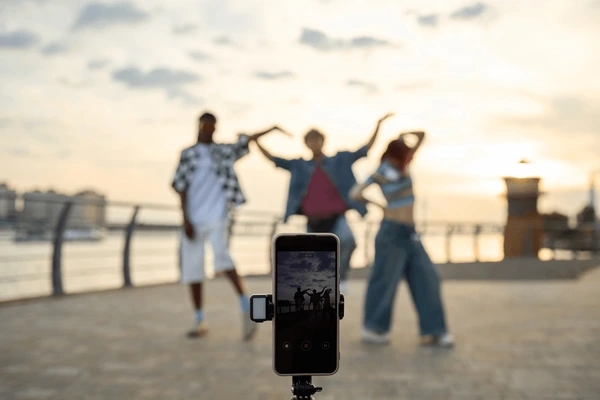
This is one of the biggest changes in music today. Before, fans discovered a song on radio, then went to streaming platforms to listen again. Now, the order often reverses People first encounter the song in a video, a challenge, or a trend. Only after the song has already made an impression do they go looking for it on Spotify, Apple Music, Audiomack, or YouTube.
That means the first battle for an artist is no longer just getting people to hear them. It is getting people to use their music. If a song becomes part of a trend, it has a better chance of surviving in a crowded music market. If it does not catch on socially, it can disappear quickly, even if the song itself is good.
What This Means for Artists
For artists, this new reality comes with both opportunity and pressure. On one hand, social media gives musicians a chance to break without waiting for gatekeepers. A new artist with the right sound can go viral overnight. On the other hand, artists now have to think about whether their music can live on social media. Can people dance and lip-sync to it? Can creators build a moment around it?
That is why many artists today make songs with short, memorable sections that work well in clips. Hooks are becoming more important. So are beats that are easy to dance to. The music industry is adjusting to a world where virality can matter just as much as artistry.
The Future of Music Promotion
The rise of content creators has made music promotion more democratic, but also more competitive. More people can hear artists, but fewer songs stay relevant for long unless they keep feeding the trend cycle. That is why a song like “Shoulder” matters. It shows that a well-timed challenge, strong public engagement, and social media momentum can carry a song far beyond the release date.
In many ways, that is the new formula. A song no longer finishes when it drops. For many artists, that is only the beginning. The real work starts when creators pick it up, fans start moving to it, and the internet decides whether it becomes the next big thing.
The lesson is simple: in today's music world, social media is not just helping songs trend, it is helping define what success looks like. Radio introduced you to a song. Social media makes you live inside it. That is the difference. And that is the future.


 English
  French