Ghana Bets on Creativity: Why the New Creative Economy Push Matters
Ready to listen.
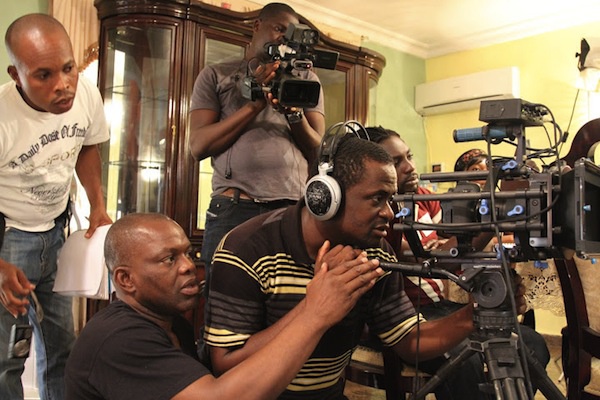
Ghana is no longer talking about the creative sector as if it were a side attraction. The country is now treating creativity as an engine for jobs, investment, tourism, and national branding, and that shift gives the new creative economy initiative real weight.
For years, artists, filmmakers, designers, and other creatives have pushed for more than applause. They have asked for structure, funding, and a system that can help talent grow into business. The latest government push appears to answer that demand with a more deliberate plan to place culture at the center of economic growth.
A sector getting policy attention
The idea behind the initiative is simple: Ghana wants to turn culture into value. Government has already linked creative industries to broader development plans, and it has backed that message with funding for the Creative Arts Fund and related support for film, music, fashion, food, and other creative areas.
That kind of support matters because creativity often grows faster than the systems built around it. Artists can build audiences quickly, but they still need financing, distribution, legal protection, and training to turn popularity into sustainable income. Ghana’s new approach suggests that officials finally understand that talent alone cannot carry an industry.
Why creatives are paying attention
The biggest reason this story matters is that it gives creatives something they have long wanted: recognition that their work has economic value. When governments invest in creative work, they do more than fund performances or productions. They help build jobs, encourage exports, and create a stronger local industry that can compete beyond national borders.
This is especially important in a country where music, film, fashion, and visual art already shape identity and influence public life. The creative sector is not just about entertainment. It is also about employment, tourism, entrepreneurship, and cultural power.
The new push also fits into a wider global reality. Around the world, countries are using culture to attract visitors, grow youth employment, and market themselves to investors. Ghana seems ready to make a stronger claim in that space.
What the initiative could change
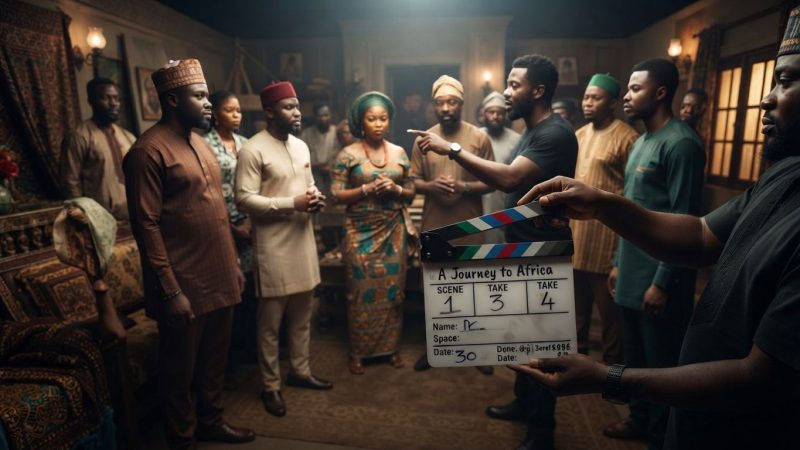
If Ghana follows through properly, the initiative could change how the industry works at every level. Artists may gain more access to funding, filmmakers may get more support for production, and creative entrepreneurs may find it easier to build businesses around their work.
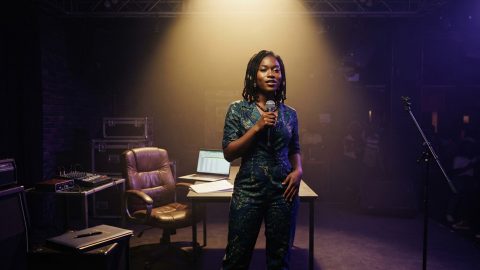
That would matter most for smaller creators who usually struggle to get off the ground. A fund can help them take the first step, but long-term growth will depend on how well the system supports training, copyright protection, market access, and fair pay.
The government’s challenge is not just to announce support. It must make the support visible, practical, and consistent. Creative people have heard promises before. What they need now is follow-through.
Why this moment feels different
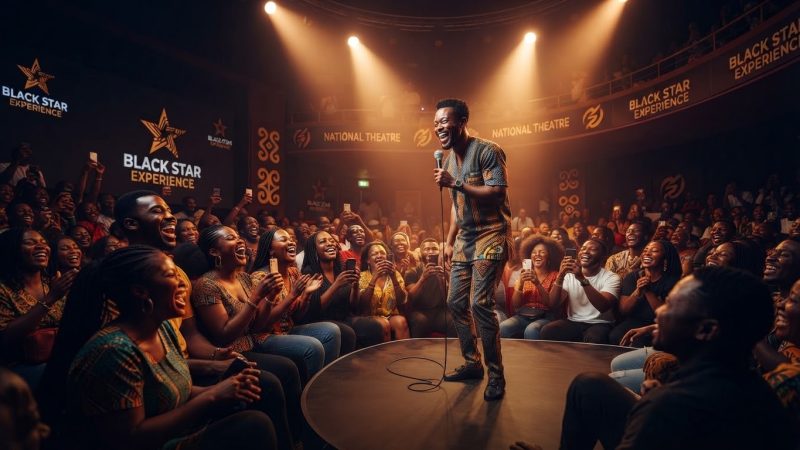
This push feels different because it arrives in a period when people increasingly understand that culture drives business. A successful music scene can sell concerts, tourism, fashion, media, and brand partnerships. A strong film industry can create jobs across writing, acting, production, set design, and distribution.
That means the creative economy is not a soft issue. It is a real sector with real consequences for young people, especially in a country where job creation remains a major concern. If Ghana gets this right, creativity could become one of the country’s most important growth stories.
For now, the initiative signals ambition. It shows that Ghana wants to stop treating creativity as decoration and start treating it as development. That is a big shift, and one the industry has been waiting to see.