
The Crown Still Counts: Why Miss Ghana Remains a Big Deal
Ready to listen.
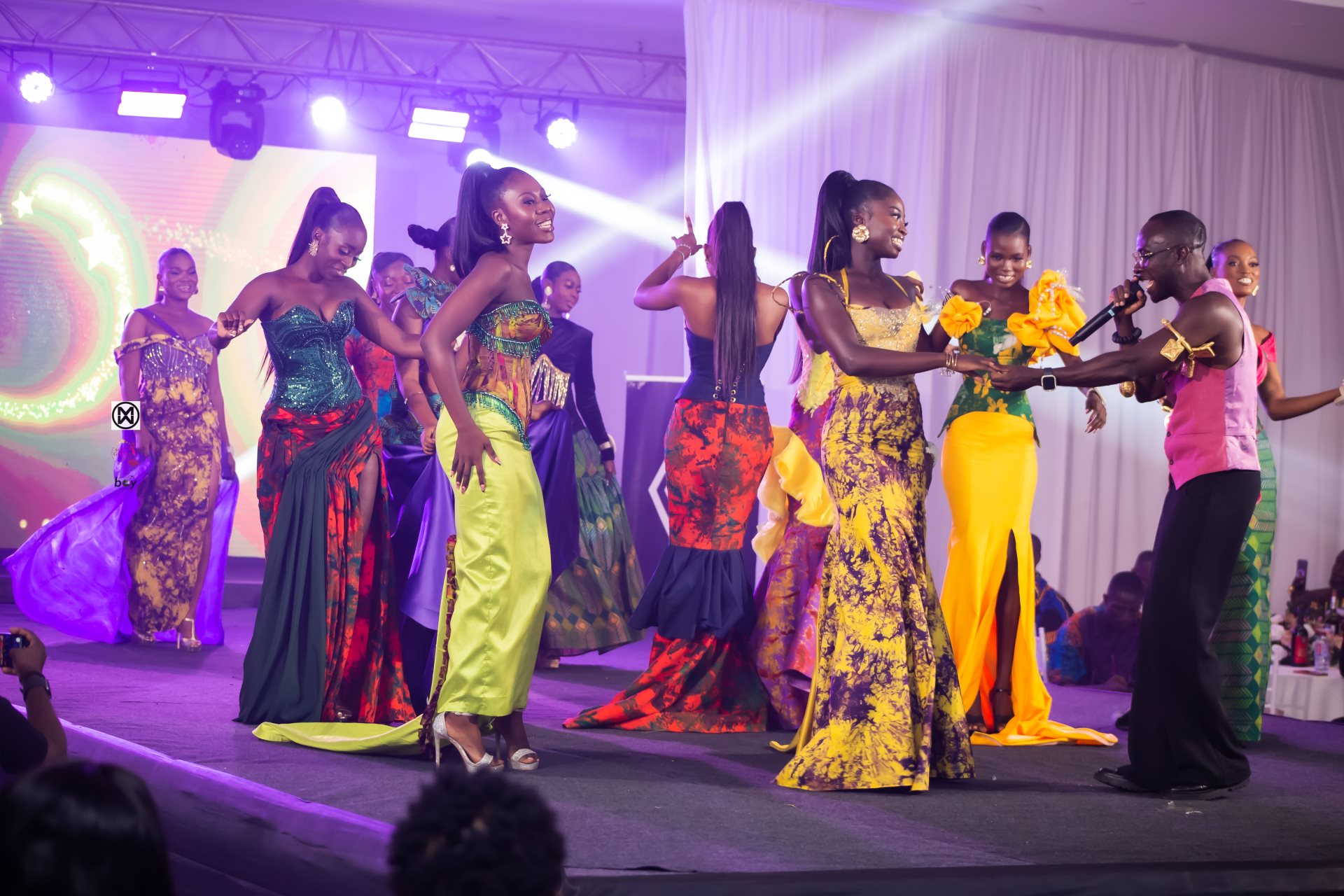
In a time when fame can arrive in seconds and disappear just as quickly, some traditions still manage to hold their ground. Miss Ghana is one of them, surviving not because it is old, but because it still offers something many young women are looking for: visibility, purpose, and a chance to be taken seriously.
The pageant has always been more than a contest of beauty. It has worked as a stage for confidence, discipline, and public presence, and that is part of why it still matters in a fast-changing entertainment world. While trends come and go, the idea of a crown still carries weight for many young women who want more than attention.
A crown with meaning
Miss Ghana does not survive simply because people remember it. It survives because it still gives shape to an idea that matters: beauty can carry responsibility. The crown represents more than appearance. It suggests leadership, service, and the ability to stand in front of the public with something to say.
That is what keeps the pageant different from many other forms of fame. A social media star may rise fast, but the platform can fade just as quickly. Miss Ghana asks for something longer lasting. It asks contestants to build presence, discipline, and credibility in a way that can outlive a single season.
This year’s edition carries the theme “Empowering Women, Enduring Legacy,” and the message fits the pageant’s direction. It points to a contest that still wants to connect glamour with purpose, and beauty with public value. That balance gives the brand a staying power that many entertainment events struggle to maintain.

Why young women still care
The question is no longer whether pageants are glamorous. The more interesting question is why young women still want them. In an era dominated by influencers, viral content, and instant online attention, Miss Ghana remains a slower, more disciplined route to visibility. That may be exactly why it still attracts interest.
The pageant offers something social media often cannot: structure. Contestants must speak clearly, carry themselves with confidence, and show they can handle pressure in public. Those demands turn the competition into a test of character as much as appearance.
For many young women, that matters. The crown becomes a symbol of growth, not just recognition. It gives them a space to be seen as capable, not only attractive. In a crowded entertainment landscape, that distinction still has value.
More than entertainment
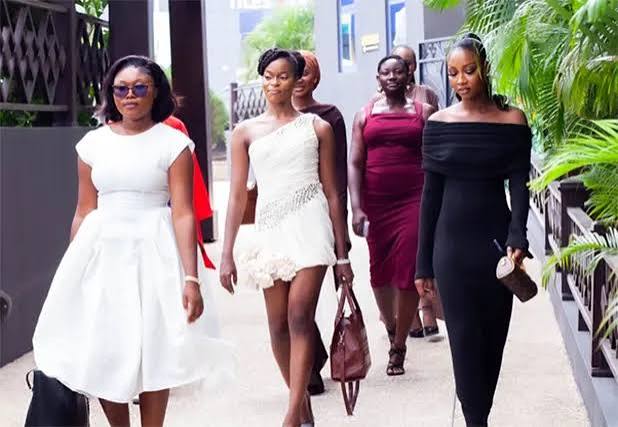
Miss Ghana also survives because it has never been only about entertainment. The pageant sits at the intersection of culture, public image, and social expectation. It reflects how Ghana views womanhood, ambition, and presentation in a very public way.
That is why the competition keeps drawing conversation even when people disagree about pageants in general. Some see it as outdated. Others see it as empowering. But both sides keep talking, and that conversation helps keep the brand relevant.
The pageant’s strength lies in that tension. It remains a familiar tradition, but it also tries to speak to modern expectations. It asks whether beauty can still mean something serious, and whether a crown can still represent a bigger purpose.
Why the brand lasts
Miss Ghana has history on its side, but history alone does not keep any brand alive. What keeps it alive is adaptation. The pageant has continued to position itself as a place where young women can grow, lead, and represent the country with more than style.
That approach matters in today’s media environment, where audiences are more selective and more skeptical. People want meaning behind the image. They want to know that a platform stands for something. Miss Ghana has continued to answer that demand by linking its image to leadership and service.
At its best, the pageant gives the public a figure who can represent elegance without emptiness. That is not a small thing in a world where many platforms chase attention but struggle to hold it.
The bigger question
What makes Miss Ghana interesting in 2026 is not only that it exists. It is that it still asks a question the modern entertainment world often forgets: what should public recognition look like when it carries responsibility?
That question gives the pageant its edge. It turns the crown into more than a prize and makes the competition feel less like a performance and more like a statement. As long as that idea still resonates, Miss Ghana will continue to matter.


 English
  French