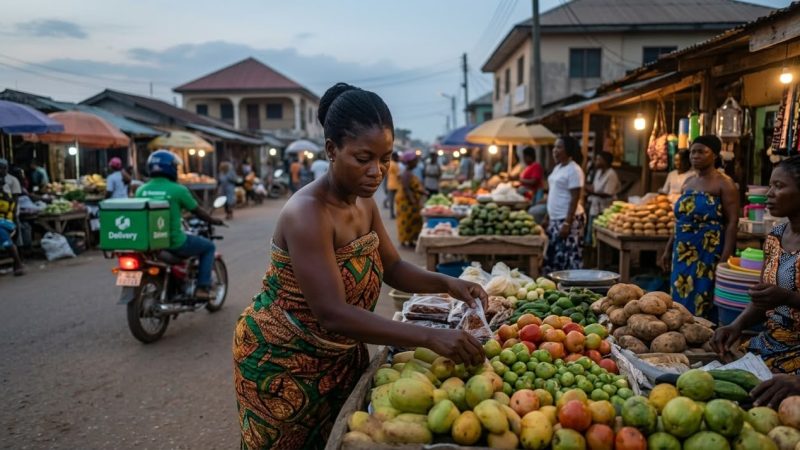
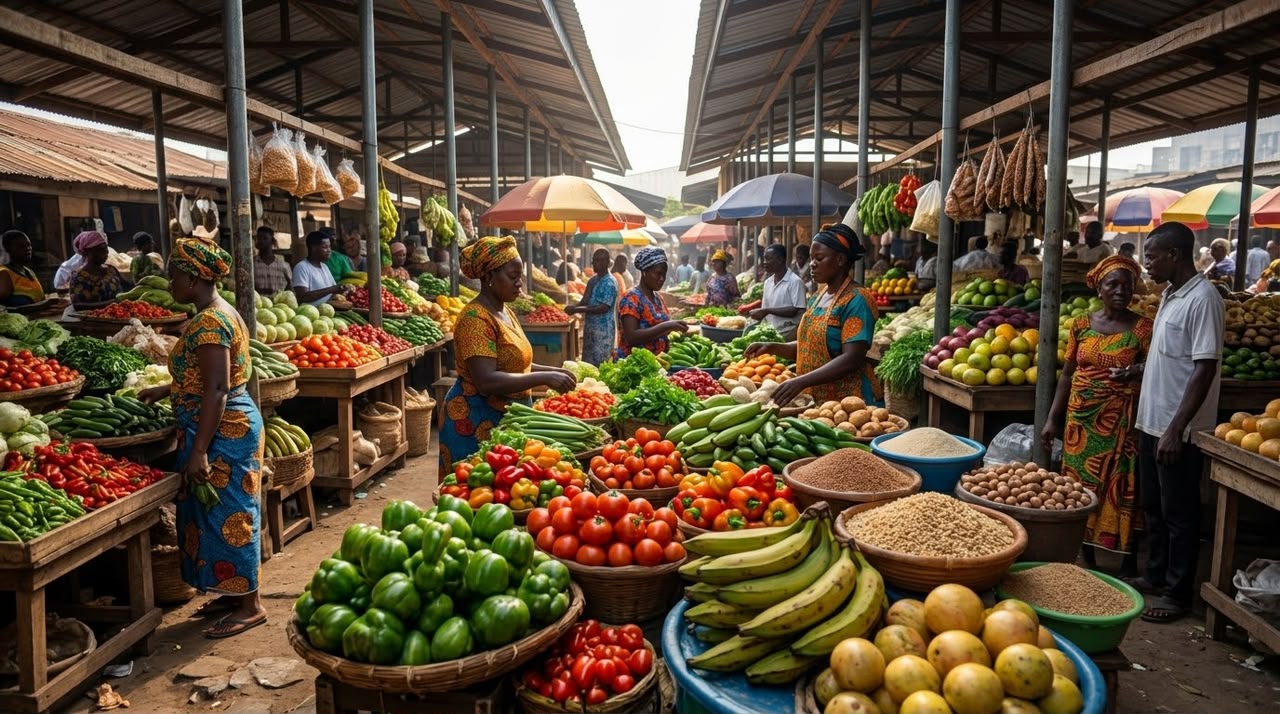
About two-thirds of Ghanaians cannot afford a healthy diet, nutrition experts have warned, raising concerns that poor nutrition is affecting children’s development, workers’ productivity and the country’s long-term growth.
The warning highlights a growing contradiction in Ghana’s food system: the country produces and sells nutritious foods, yet many households still struggle to put balanced meals on the table.
For families managing rent, transport, school fees and utility bills, food choices are often shaped by price rather than nutrition. The result is a diet that may fill the stomach but fail to provide the nutrients needed for good health.
The real cost of eating well
A healthy diet costs an average of GH¢24 a day, according to research led by the World Food Programme and cited by Professor Reginald Adjetey Annan of the Kwame Nkrumah University of Science and Technology.
For many households, that daily cost is difficult to sustain. When money is limited, families often prioritise cheap, filling foods over diverse, nutrient-rich meals.
The consequences are already visible. Only 22 per cent of children aged six to 23 months receive a minimum acceptable diet, while one in two women is overweight or obese.
Poor nutrition affects more than health. It can weaken school performance, reduce productivity and limit the country’s economic potential.
The answer may be local
Ghana does not lack nutritious food. What is often missing is recognition, access and affordability.
Nutrition experts have encouraged greater consumption of indigenous foods, including bambara beans, fonio, cowpea, millet and moringa. These foods are nutritious, affordable and climate-resilient.
Bambara beans and cowpea, for example, are strong plant-based protein sources, while millet and fonio can serve as nutritious alternatives to refined carbohydrates.
Moringa is also widely valued for its nutritional properties and can be added to soups, sauces and teas. The challenge is making these foods attractive, accessible and affordable for ordinary households.
Why processed foods win
In many urban communities, processed and convenience foods are often easier to find than fresh produce. They are heavily advertised, widely available and sometimes cheaper than a balanced meal.
For busy workers and parents, speed matters. Buying fried food, instant noodles or packaged snacks can feel more practical than cooking beans, preparing vegetables or sourcing fresh ingredients after a long day.
This is why nutrition cannot be treated as a personal failure. When healthy food is expensive, scarce or inconvenient, people will naturally choose what is available and affordable.
Schools can lead the change
The Ghana School Feeding Programme currently feeds 1,527,000 children in 13,000 public schools at an allocation of GH¢2 per child daily.
The programme has also created jobs for 40,700 caterers, about 90 per cent of whom are women.
School meals can play an important role in improving children’s nutrition, especially in communities where families struggle to provide diverse diets at home. Encouraging caterers to use indigenous ingredients could also support local farmers and preserve Ghanaian food culture.
The National Coordinator of the programme, Hajia Fati Forgor, said caterers were being encouraged to prepare indigenous meals instead of foreign dishes such as spaghetti.
Farmers need support too
Improving nutrition is not only about encouraging families to eat better. It is also about making it easier for farmers to grow, store and sell nutritious foods.
Many smallholder farmers face challenges with transport, storage, market access and post-harvest losses. When fresh produce spoils before it reaches buyers, prices rise and nutritious foods become less accessible.
Ghana has set targets to transform its food systems by 2030, including halving food loss and reducing food waste by 30 per cent. But Professor Annan said several policies had remained unimplemented because of weak accountability.
Supporting local farmers, improving rural roads and investing in storage facilities could help make nutritious foods more available and affordable across the country.
What households can do
While government action is essential, households can also make practical changes with the resources available to them.
Buying seasonal produce, choosing beans, groundnuts, millet or maize-based meals, adding vegetables to soups and stews, and reducing reliance on processed foods can improve diet quality without dramatically increasing costs.
Cooking larger portions of beans, storing vegetables properly and planning meals around affordable local ingredients can also reduce waste and stretch household budgets.
The goal is not perfection. It is helping families get more nutrition from the money they already spend on food.
A national priority
Ghana’s nutrition challenge cannot be solved by telling people to “eat healthy” when healthy food remains unaffordable for many.
The country needs stronger support for local food production, better market access for farmers, improved school meals and policies that make nutritious foods cheaper and more available.
Healthy eating should not depend on income. It should be a basic part of national development, because a well-nourished population is better able to learn, work and build a stronger economy.