
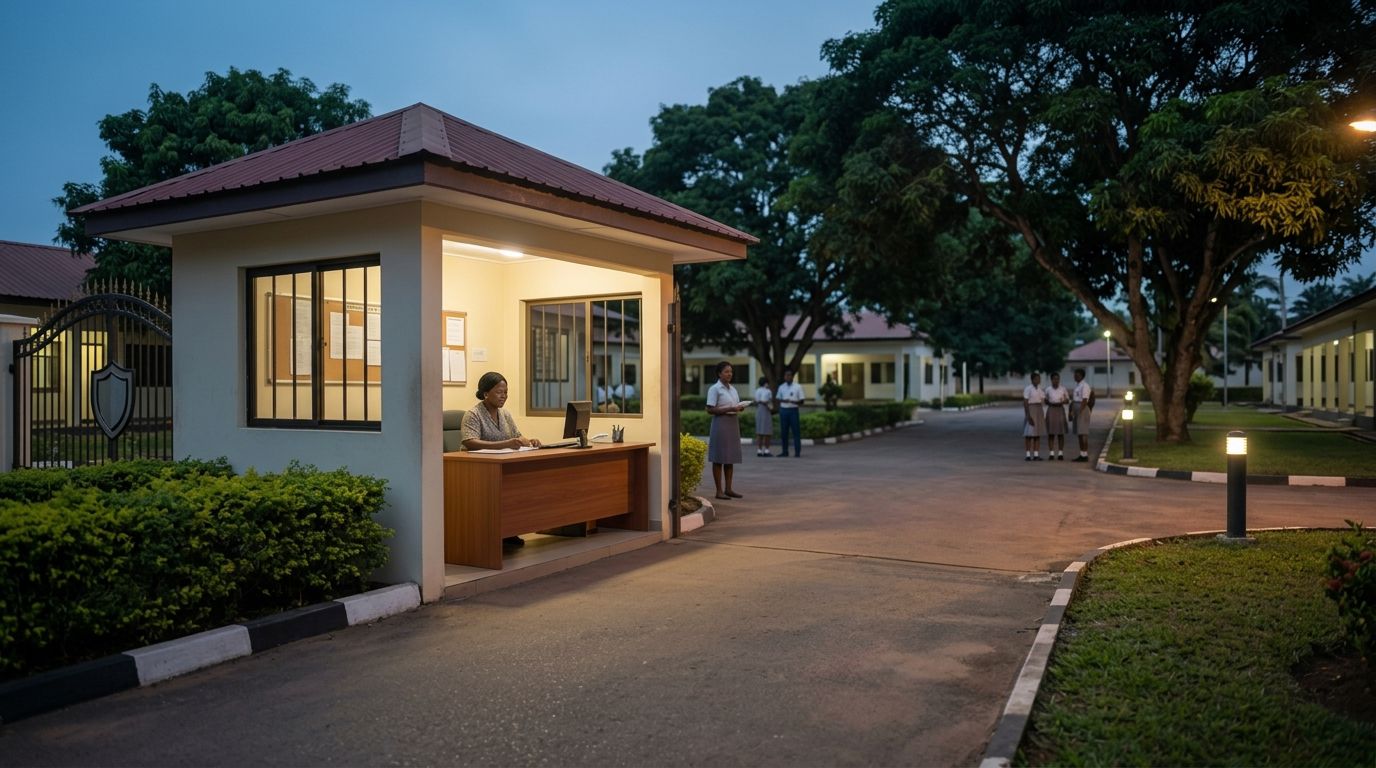
A school should be one of the safest places for a child. When allegations of abuse emerge from within a school, the response must go beyond headlines and suspensions, it must rebuild trust and protect every student.
The allegations of sexual abuse involving female students at Obuasi Senior High Technical School have once again raised a difficult but necessary question: are Ghanaian schools doing enough to protect the children in their care?
The Asante Youth Association (AYA) has demanded urgent investigations, justice and accountability after reports of alleged sexual assault and rape involving the school’s headmaster, Zakaria Abdulai, reportedly affecting 16 female students. The allegations remain under investigation, and no finding of guilt has been established against him.
The Ghana Education Service has interdicted Mr Abdulai, while the Minister of Education has directed a police investigation. But the case is bigger than one school, one official or one investigation. It is a test of whether Ghana’s education system can put student safety above reputation, hierarchy and silence.
Why this matters beyond Obuasi
Every parent who sends a child to boarding school makes an act of trust. They trust teachers, houseparents, administrators and school authorities to provide not only education, but care, discipline and protection.
When that trust is broken, the damage does not end with the immediate victims. It affects other students who may fear speaking up, parents who worry about boarding facilities, and communities that depend on schools to keep children safe.
The Obuasi case is therefore not only a news story. It is a warning about what can happen when reporting systems are weak, complaints are delayed or safeguarding is treated as paperwork rather than a daily responsibility.
The problem with silence
In many schools, students may hesitate to report abuse because they fear disbelief, punishment, stigma or retaliation. Others may not know whom to approach, especially when the person accused holds authority.
That silence can allow misconduct to continue. It can also make victims feel isolated, ashamed or responsible for what happened to them. AYA has stressed that affected students must not face intimidation, victimisation, public humiliation or pressure designed to discourage them from seeking justice.
Schools must make it clear that reporting abuse is safe, confidential and taken seriously. A student should never have to choose between protecting themselves and protecting their education.
What a safe school looks like
A safe school is not defined only by high walls, security guards or rules in a handbook. It is defined by culture: whether students believe adults will listen, act and protect them.
Every school needs clear child-protection policies, trained staff and accessible reporting channels. Students should know exactly who to speak to if they feel unsafe, and they should be able to report concerns without fear of being blamed or exposed.
Teachers, houseparents and administrators also need regular safeguarding training. They must understand how to recognise warning signs, handle disclosures sensitively and escalate concerns quickly to the appropriate authorities.
The role of school leadership
Leadership matters. A headmaster, housemistress or education director is not only responsible for academic results; they are responsible for the welfare of children under their care.
When allegations arise, leaders must act promptly, document concerns properly and involve the right institutions. Delay, denial or an attempt to manage the situation internally can deepen harm and undermine public confidence.
AYA has called for scrutiny of the conduct and supervisory responsibilities of school and education officials, including whether boarding-school rules were enforced and whether warning signs were ignored. Those questions are important because safeguarding failures are rarely the work of one person alone.
Support must come first
For students who come forward, the first response should be care not interrogation, blame or public exposure. They need confidential counselling, medical support where necessary, legal guidance and protection from retaliation.
The privacy of minors must be protected at every stage. Media houses, social-media users and community members should avoid sharing names, images or details that could identify alleged victims.
Justice must also be timely. When cases drag on, victims may lose confidence in the system, witnesses may become reluctant and communities may conclude that reporting abuse changes nothing.
A test for the education system
The Obuasi SHTS allegations should not become another story that fades after a few days of outrage. They should lead to practical reforms: stronger reporting systems, better training, independent oversight and consequences for those who fail children.
Ghana’s schools can be places of opportunity, discipline and hope. But that vision is only credible if students are protected physically, emotionally and psychologically.
The real measure of an education system is not only how well it teaches children, but how well it protects them.

 English
 French