
Campus Deaths in Ghana Raise Alarms Over University Safety
Ready to listen.
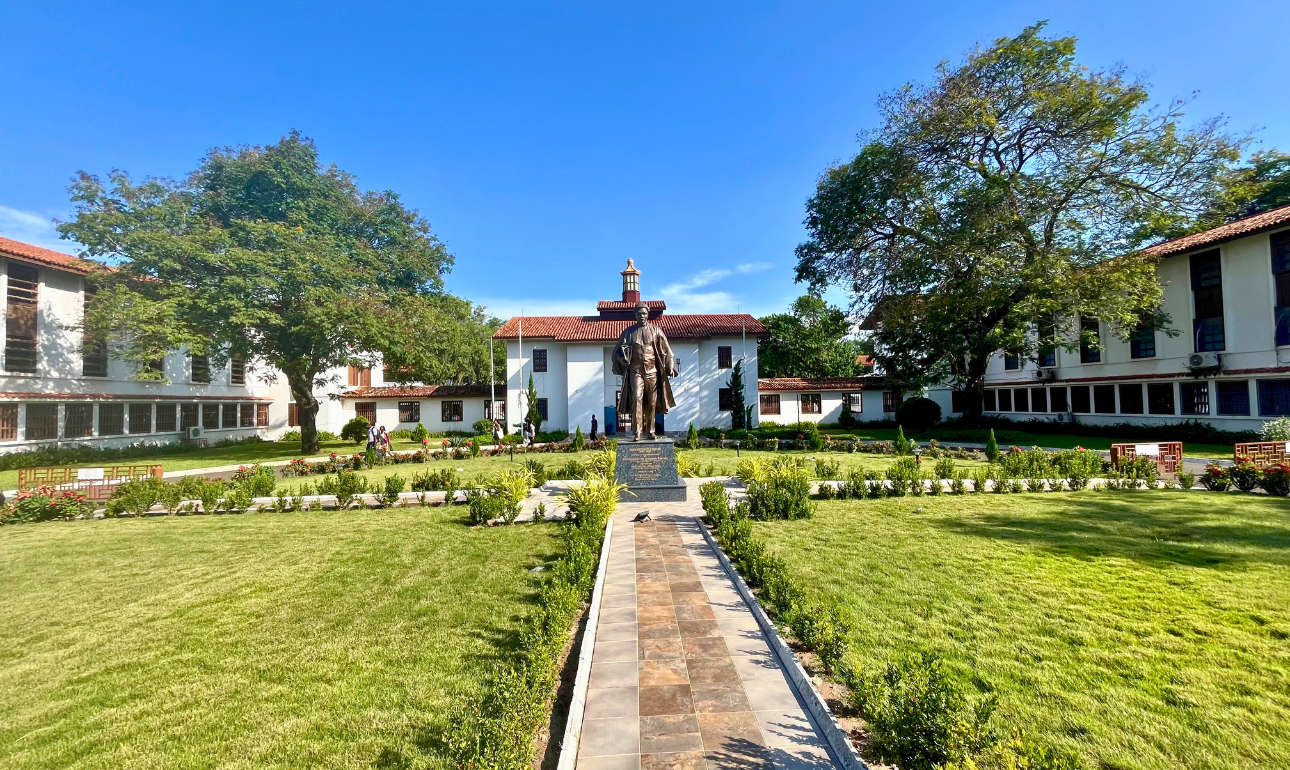
Ghana’s university campuses face a growing safety crisis that students, parents, and university authorities can no longer ignore. Since 2024, at least 13 students at public universities have died from non-natural causes, according to media reports reviewed in recent coverage. The deaths have sparked fear and anger across campuses, and they have forced the country to confront hard questions about student safety, mental health, and institutional responsibility.
These deaths do not come from one cause. Some students died in road accidents near campus roads. Others lost their lives in violent attacks or suspicious circumstances. Several cases also point to suicide, depression, and emotional pressure. Together, the deaths show that Ghana’s universities face not just isolated tragedies, but a wider safety problem.
A crisis across campuses
The deaths span major public universities, including KNUST, the University of Cape Coast, the University of Ghana, the University of Education, Winneba, and others. In 2024, six students died, the highest number in the period under review. Four more deaths followed in 2025, and three more occurred in the first half of 2026.
This pattern shows that the crisis is not slowing down. It is spreading across institutions and affecting students in different ways. When deaths keep happening across campuses, university leaders cannot treat them as unrelated events. They must treat them as warning signs.
The cases that shook the country
Some cases have drawn national attention because of how tragic and public they became. In February 2025, Joana Deladem Yabani, a KNUST student, was found dead near campus. Authorities later arrested her boyfriend and charged him with murder. The case outraged the public and deepened concern about student vulnerability.
In June 2026, Innocentia Avinu, a student at the University of Cape Coast, was found dead after leaving her hostel. Police later arrested a 39-year-old man in connection with the case, and the Education Minister ordered a full investigation. Her death renewed the debate about whether universities and surrounding communities do enough to protect students.
KNUST has also faced several other painful losses. In December 2024, Afia Dedaa Osae-Atuah died after a speeding commercial vehicle struck her near campus. Earlier reports also linked other KNUST deaths to road crashes, falls, and unexplained circumstances. At the University of Ghana, Emmanuel Kwabena Tetteh was found dead in his hall of residence in January 2024, and his case drew attention to depression and academic pressure.
Universities must do more
The universities do bear responsibility for the risks they can control. They must improve lighting, strengthen campus patrols, monitor hostels, and create faster emergency response systems. They also must expand counselling services and make them easier for students to use.
Some universities have taken steps. Authorities have held stakeholder meetings, reviewed security arrangements, and worked with police after major incidents. A few institutions have also added security measures such as on-campus police stations and safety forums. Those actions matter, but they do not solve the problem on their own.
Universities must move from reacting after deaths to preventing them before they happen. They cannot wait for another tragedy before they act.
Students also have a role
Students also need to protect themselves. They must stay security-conscious, avoid unnecessary movement in unsafe areas at night, use reliable transport, and report threats or suspicious behavior early. They also need to take mental health issues seriously and seek help before stress becomes overwhelming.
But student responsibility has limits. Students cannot fix broken road systems, poor lighting, weak hostel security, or understaffed counselling centers. They can reduce risk, but the bigger burden still rests on universities and public authorities.
That means the message must be balanced. Students must act wisely, but institutions must create the conditions that keep them safe.

Mental health needs urgent attention
A major part of the crisis involves mental health. University life can place intense pressure on young people. Academic workload, relationship problems, financial strain, and loneliness can build up quickly. If universities do not provide strong emotional support, small problems can grow into emergencies.
Some of the reported deaths have raised concern about depression and emotional distress. That makes counselling a core safety issue, not a side service. Universities need visible support systems, trained counsellors, and awareness campaigns that encourage students to ask for help early.
Students also need to know that seeking help is not weakness. It is a practical step that can save lives.
The security gap around hostels and roads
One of the biggest problems lies outside the main campus gates. Many students live in private hostels and off-campus housing where university security cannot fully reach. That creates a dangerous gap between where students sleep and where they study.
Road safety is another serious concern. Several deaths have involved speeding vehicles, commercial transport, or unsafe campus roads. Students often walk long distances, cross busy roads, and move through areas with little protection. Without better traffic control, speed checks, and pedestrian barriers, these roads remain risky.
Universities cannot control every driver, but they can work with police and local authorities to improve safety around their campuses.
What must change
Ghana needs a stronger campus safety system. Universities must invest in counselling, lighting, patrols, and emergency response. They must improve coordination with police and local transport authorities. They also need better records of student deaths so the country can track the problem more clearly.
The government also has a role. It must support universities with policy, resources, and enforcement. Safety around campuses should not depend on crisis response alone. It should become part of long-term planning.
Students, universities, and public authorities all have a role to play. But the main duty still belongs to the institutions that promise to protect young people while they study.
The deaths recorded since 2024 reveal a painful truth: Ghana’s universities still do not protect students well enough. Universities must strengthen security, improve mental health support, and take responsibility for the risks they can prevent. Students must also stay alert and make wise choices. But neither side can solve the problem alone.
If Ghana wants safer campuses, it must treat student safety as a national priority. The country cannot keep mourning young lives and calling it bad luck. It must act, and it must act now.


 English
  French