Accra Is Under Water Again. When Will We Learn?
Ready to listen.
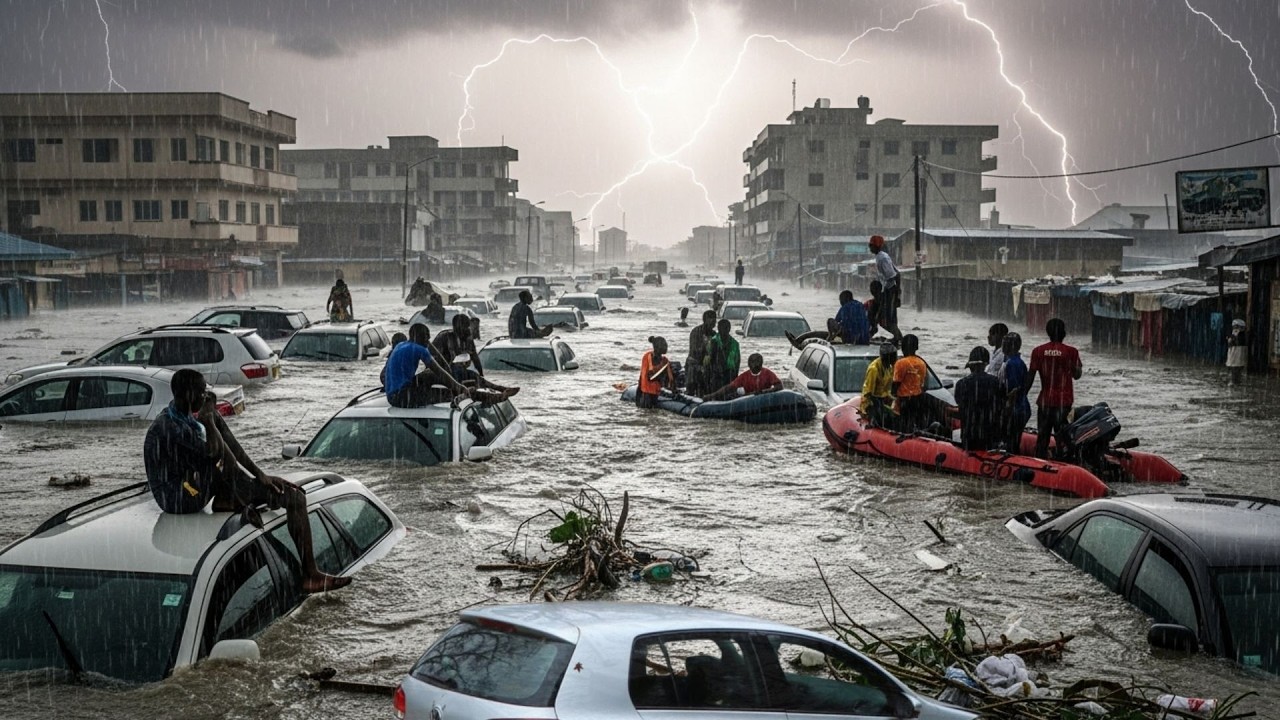
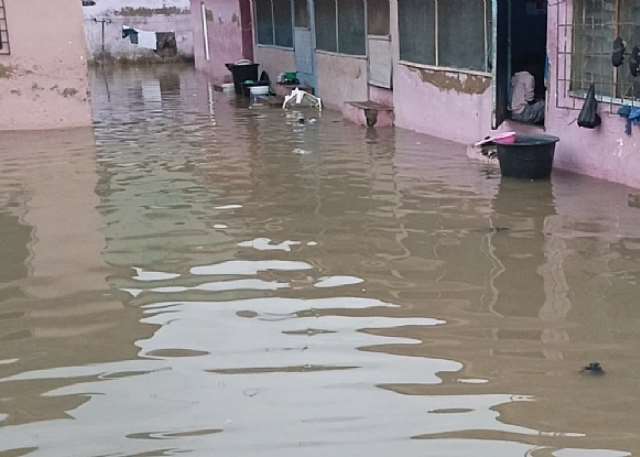
Heavy rains have once again left parts of Accra under water, stranding commuters and exposing the city’s ongoing flood problem. Roads turned into rivers, vehicles got trapped, and residents in flood-prone communities faced the same fear that returns every rainy season.
The rain fell. The water rose. And once again, Accra is under water.
Homes are submerged. Roads have become rivers. Families are wading through floodwaters, watching years of effort float away. Commuters remain stranded. Businesses are counting losses. And somewhere in this city, another family is asking the same question Ghanaians have asked for years: why does this keep happening?
This is not a new story. It is the same story, repeated every rainy season. The rains come. The water rises. Destruction follows. Then the water recedes, and the promises begin. Committees form. Officials assign blame. Leaders deliver speeches. And when the next rainy season arrives, nothing has changed.
The painful truth is that Accra's flooding crisis is no longer simply a problem of rainfall. It is a crisis of attitude, indiscipline, poor planning, weak enforcement of laws, and a collective refusal to do what is right. Until those behaviours change, no amount of drainage projects, government spending, or emergency interventions will permanently solve the problem.
A City Haunted by Rain
For decades, the people of Ghana have watched with sadness as torrential rains turn parts of Accra into rivers. Families lose homes, businesses suffer devastating losses, roads become impassable, and lives end tragically. Every rainy season brings fresh anxiety, especially for residents in flood-prone communities.
That fear is not imaginary. The city’s memory still carries the June 3 disaster. On Wednesday, June 3, 2015, catastrophic flooding hit Accra and later turned deadly when fire broke out at the Kwame Nkrumah Circle GOIL filling station. The combination of floodwater and the fuel station explosion killed more than 150 people and left hundreds more burned or injured. For many families, the date remains one of the darkest in Ghana's modern history.
Years later, the city is still battling floods. Roads still disappear under water. Homes still submerge. Shops still lose goods. Commuters still strand. The pain changes form, but it never leaves.
Why the Floods Keep Returning
After every disaster, people ask the same questions. Why does Accra continue to flood and lives continue to be lost? Why has a lasting solution remained elusive despite years of discussions, studies, and promises?
Some point to climate change and increasing rainfall intensity. Others blame successive governments for failing to invest enough in drainage infrastructure. Those explanations contain truth, but they do not fully explain the problem.
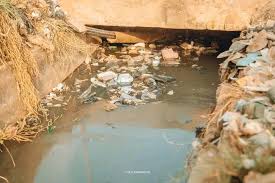
The uncomfortable reality is that many of the devastating floods in Accra today are largely the result of human actions and inactions. Across the city, drains designed to carry stormwater fill up with plastic waste, discarded household items, and other refuse. During heavy rains, these blocked systems become incapable of handling the volume of water flowing through them. The water then spills into streets, homes, schools, shops, and workplaces.
Nature does not cause this situation alone. Human behaviour causes it.
How can a city successfully manage floods when some citizens continue to treat gutters and waterways as dumping sites? That question is central to Accra's crisis. When drains clog, rainfall turns into disaster.
Heavy rains in June once again exposed Accra’s weak drainage systems as commuters and motorists stranded across several parts of the city. Areas including Ashaiman Underbridge, Abokobi, Ashongman, Nanakum, and the Way-Jakaswa Highway suffered the worst flooding, and roads became impassable in some places. In Pantang Village, floodwaters from the Dakobi River spilled over its banks, submerging parts of the road and reaching nearby homes and structures. Residents say the problem is not only the rain, but also the steady encroachment on waterways and wetlands that should have protected the area.
Building on Waterways
Equally troubling is the persistent construction of buildings on waterways, wetlands, and flood-prone lands. In many cases, people allow structures that should never have been approved to remain standing. Houses, walls, and commercial developments block natural channels through which water once flowed freely.
When heavy rains arrive, water simply attempts to reclaim its natural path. The result is predictable: flooding, destruction, and suffering.
This is not just a matter of bad luck. It is a matter of bad planning and weak enforcement. A city cannot survive repeated flooding if development blocks its natural drainage paths in ways that authorities should never have allowed.
Responsibility for this problem cannot rest solely on ordinary citizens. Regulatory institutions, planning authorities, local assemblies, traditional leaders, and public officials all have important roles to play. People must ask questions. How do buildings continue to appear on waterways? How do authorities grant permits for developments in high-risk areas? Why do illegal structures often remain standing until disaster strikes?
The enforcement of planning regulations must become stronger, more transparent, and more consistent. Rules that exist only on paper cannot protect lives.
Yet even stricter enforcement alone will not solve the problem. The urgency that fills the city during a crisis fades before the next rainy season arrives. Floods in Accra are not just a public works problem. They are a civic discipline problem.
The Cycle of Forgetting
One of the most painful realities is that many Ghanaians become concerned about flooding only when a disaster occurs. Once floodwaters disappear and life returns to normal, public attention fades. The urgency that fills the city during a crisis fades before the next rainy season arrives.
This cycle must end.
Flood prevention should not be a seasonal discussion. It must become a year-round commitment involving citizens, businesses, community leaders, and government institutions alike. Every resident has a role to play.
Every person who disposes of waste responsibly contributes to a safer city. Every community that keeps its drains clean helps reduce flood risks. Every developer who respects planning regulations protects lives and property. Every public official who refuses corruption strengthens public safety.
The Real Solution Is Discipline
Ultimately, the solution to flooding is not simply about constructing larger drains or dredging waterways. Those measures are important, but they address symptoms rather than causes.
The deeper challenge is one of responsibility. Floods do not become disasters because rain falls. Floods become disasters when people neglect drains. They become disasters when people dump waste indiscriminately, block waterways and also when authorities ignore laws and fail to enforce them.
If Ghana is serious about ending the annual cycle of destruction, then citizens and leaders alike must embrace a new culture of discipline, accountability, and long-term thinking.
A cleaner environment. A more responsible citizenry. A stronger planning system. A more decentralised economy. An efficient transportation network.
These are the foundations on which a flood-resilient Accra can stand.
The rains will continue to come, just as they do in cities across the world. The real question is whether we will finally change the attitudes and behaviours that turn a natural event into a national tragedy.
The floods are here now. The question is not whether the rain will stop. The question is whether we will finally learn.
The solution to flooding in Accra begins with all of us.