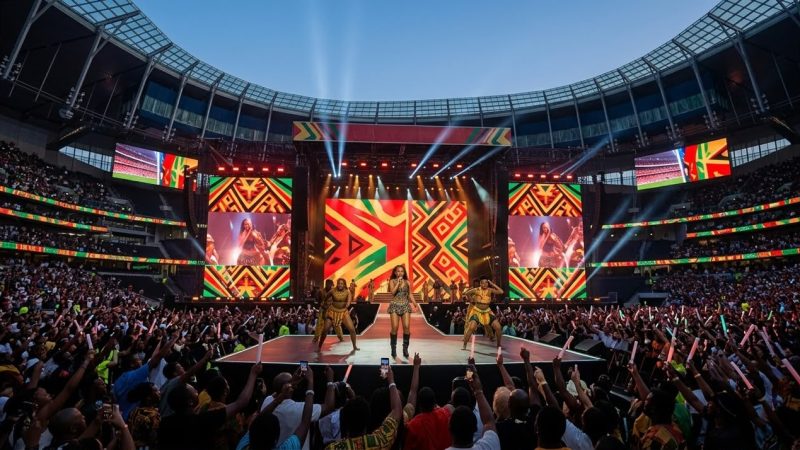
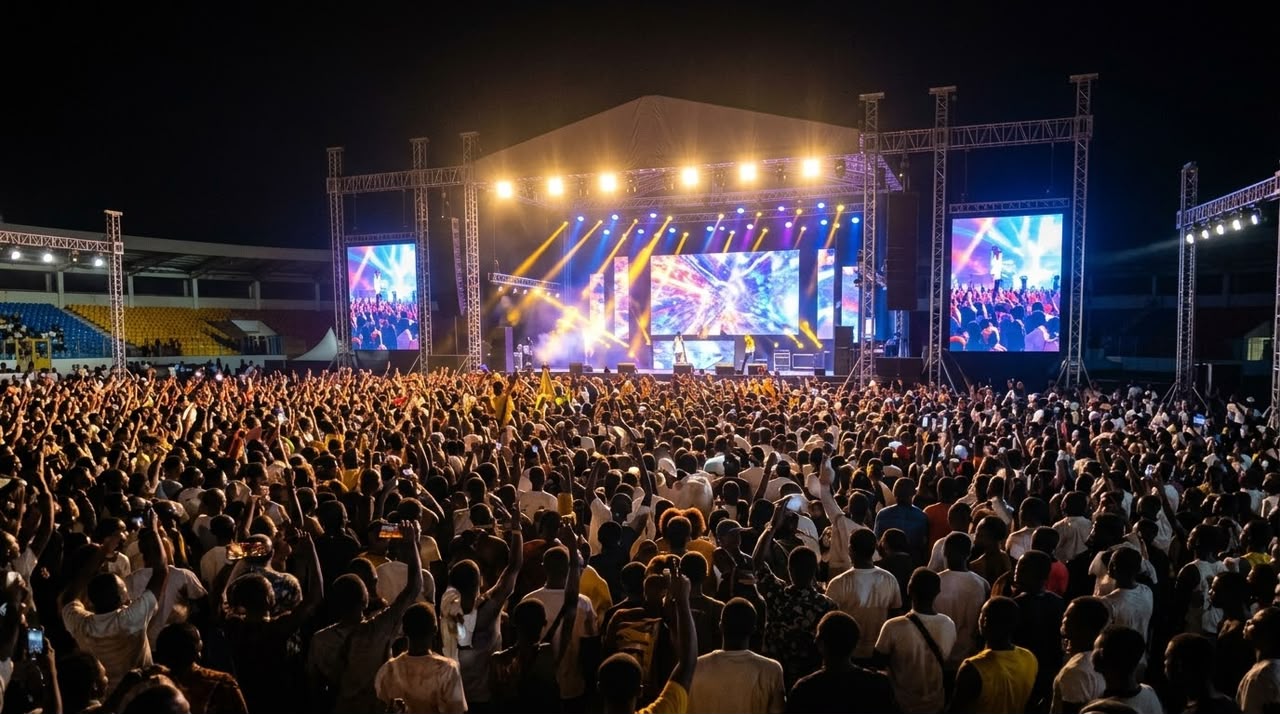
Sarkodie’s Rapperholic 2026 concert in Kumasi was not only a night of music. It was also a reminder that Ghana’s creative industry can create jobs, drive spending and support local businesses.
Sarkodie has described Rapperholic 2026 as more than a concert, saying the event created economic activity and demonstrated the value of investing in Ghana’s creative sector. The rapper hosted the edition at Baba Yara Sports Stadium in Kumasi, drawing thousands of fans for a night of music, culture and performances.
Speaking after the event, Sarkodie expressed gratitude to fans and collaborators, saying, “We did this together.” He also used the moment to urge greater investment in the creative industry, arguing that concerts such as Rapperholic can generate opportunities beyond the stage.
His message is important for Ghana’s music business: live events are not only entertainment. They can support vendors, transport operators, hotels, security services, media production teams and young creatives.
Kumasi showed up
Rapperholic 2026 delivered music, culture and memorable performances at Baba Yara Sports Stadium. Sarkodie thrilled thousands of fans with guest appearances, a tribute to the late Daddy Lumba and a culture-rich entrance.
The Kumasi edition showed the strength of Sarkodie’s fanbase outside Accra. It also gave the Ashanti Region a major entertainment event capable of attracting visitors, boosting local spending and creating visibility for local businesses.
For fans, the concert was a celebration of Ghanaian hip-hop. For the industry, it was evidence that major live events can work outside the capital when the artist, production and audience connect.
The money around a concert
A major concert creates income in several ways. Ticket sales benefit organisers and artists, while vendors earn from food, drinks and merchandise. Transport operators, hotels, photographers, security personnel, stage crews and sound engineers also benefit.
Sarkodie’s argument is that these benefits should encourage both government and private investors to take the creative economy more seriously. He believes supporting the industry can create jobs and strengthen Ghana’s cultural and economic growth.
The music business is not only about releasing songs. It includes touring, branding, merchandise, content creation, event production, digital distribution and partnerships. Rapperholic brings many of those parts together.
Why Kumasi matters
Taking Rapperholic to Kumasi is significant because Ghana’s live-music market has often been concentrated in Accra. A successful stadium event in Kumasi shows that regional cities can host large-scale concerts and attract strong audiences.
It also gives local creatives in Kumasi a chance to work on a major production. From stagehands and photographers to makeup artists, vendors and transport providers, big concerts can put money into the hands of people who rarely benefit from Accra-centred events.
If more artists follow this model, Ghana could build a stronger nationwide live-music economy rather than concentrating opportunity in one city.
A lesson for artists
Sarkodie’s approach shows the value of building a brand beyond streaming numbers. Rapperholic gives him a platform to perform, connect with fans, showcase collaborators and create content that can live online long after the concert ends.
For emerging artists, the lesson is to think beyond one hit song. A strong music career needs live performance, audience loyalty, visual content, partnerships and a clear business plan.
Artists should also see concerts as a way to create value for their communities. A well-organised event can support local vendors, create temporary jobs and give young creatives practical industry experience.
The bigger conversation
Ghana’s creative sector needs better infrastructure, financing, policy support and investment in event production. Artists need venues, reliable power, quality sound equipment, professional security and access to funding to stage world-class shows.
Banks, brands and investors should also see music as a business. Concerts, festivals, artist partnerships and music-related content can generate returns while promoting Ghanaian culture.
Sarkodie’s call for investment is timely because the industry has talent, audiences and cultural influence. What it needs is stronger structures to turn that potential into sustainable jobs and income.
Rapperholic 2026 proved that music can be a serious economic activity. It brought people together, created spending around the event and gave Kumasi a major cultural moment.
If Ghana invests in its creative economy, artists like Sarkodie can do more than entertain. They can help build jobs, businesses and opportunities across the country.