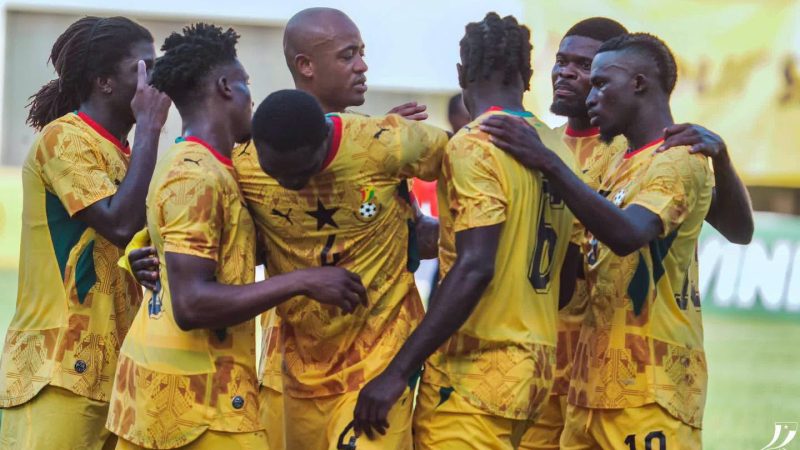
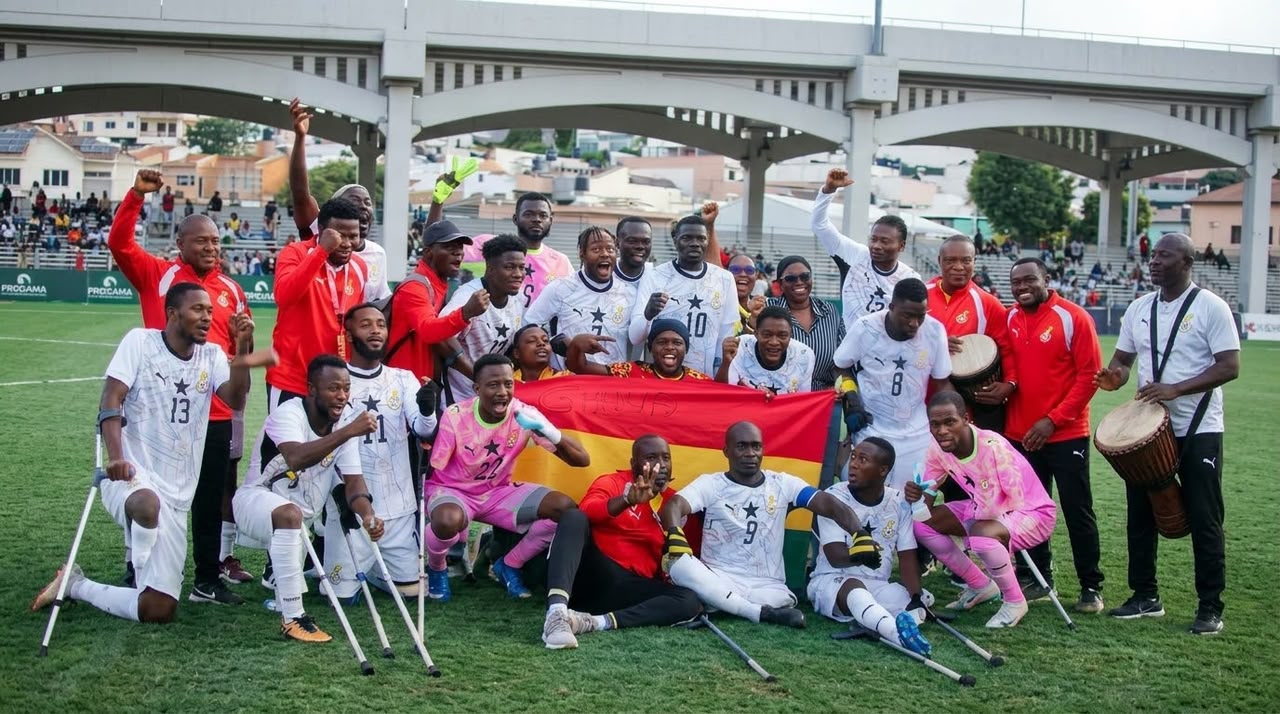
Ghana’s Black Challenge did not just beat Morocco in the final of the 2026 Amputee Football World Cup. They gave amputee football a moment the sport has needed for a long time.
The Black Challenge won 1–0 in San Juan de los Lagos, Mexico, on Sunday, claiming Ghana’s first World Amputee Football World Cup title.
But the bigger story is not only the trophy. It is what the win represents: a team from a sport that is often overlooked now standing at the top of the world.
A win beyond the scoreline
Captain Richard Opentil scored the only goal of the final, giving Ghana a 1–0 victory over Morocco.
That single goal made history. It gave Ghana its first world title in amputee football and made the country only the second African nation to win the competition, after Angola in 2018.
But the result also carries a larger meaning. It puts amputee football in front of an audience that may not usually follow the sport, and it forces a conversation about recognition, access and opportunity.
The sport behind the headline
Amputee football is not a lesser version of the game. It is a fast, physical and highly technical sport played by athletes who use crutches and compete with skill, speed and tactical awareness.
Yet it often receives less attention than able-bodied football, even when the competition is global and the standard is high.
Ghana’s win challenges that silence. It gives the Black Challenge a platform to be seen, and it gives amputee football a bigger story to tell.
What the title changes
A world title can do more than decorate a trophy cabinet. It can change how a sport is discussed, funded and supported.
For Ghana, the Black Challenge’s victory could open doors for sponsorship, media coverage and institutional backing. It could also inspire young amputee athletes who now have a national team to look up to.
That is the real power of the win. It is not just about what Ghana achieved in Mexico. It is about what Ghana can build from it.
Representation matters
The Black Challenge’s success is also a reminder that sport is not only about ability. It is about opportunity.
For years, amputee athletes have had to fight for visibility in a system that often centres able-bodied competition. A world title does not erase those challenges, but it makes them harder to ignore.
Ghana’s win gives the sport a new reference point. It shows that amputee football belongs on the same stage as any other form of the game.