
No Bed, No Life: Mzbel’s Grief Exposes Ghana’s Emergency Care Crisis
Prêt pour la lecture.
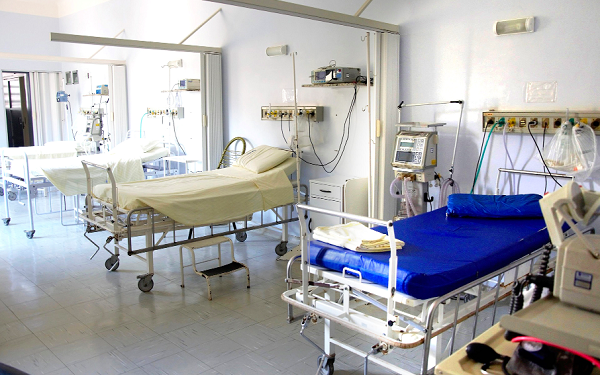
When illness strikes, families often cling to the hope that the hospital will be the place where fear ends. But in some moments, the hospital becomes part of the fear itself. That tension now sits at the center of Mzbel’s grief and the larger debate her loss has reopened.
A Ghanaian singer, Mzbel, is grieving a painful family loss after alleging that her sister died because no hospital bed was available in time. Her heartbreaking claim has reopened a familiar and uncomfortable national debate about emergency care, delayed admission, and the human cost of a health system under pressure.
The story has struck a nerve because it speaks to a fear many families carry in silence. People go to the hospital hoping for help, but sometimes they meet delay, uncertainty, and a system that cannot respond fast enough. When that happens, grief turns into outrage, and a private loss becomes a public warning.
A pain many families recognize
Mzbel’s allegation mirrors experiences many Ghanaians have either lived through or watched unfold around them. The heartbreak is not only in the loss itself, but in the helplessness that surrounds it. Families arrive at the hospital believing they have reached the safest place possible, only to discover that the system may not be ready when urgency is greatest.
That is what makes the “no bed” crisis so emotionally charged. It is not an abstract policy issue to the people who have stood in corridors, sat in waiting areas, or pleaded for admission while a loved one worsened. It is a memory, a trauma, and sometimes a regret that never fully leaves them.
The phrase has become especially haunting because it often arrives at the exact moment families are most vulnerable. They are not asking for luxury or convenience. They are asking for a chance. When that chance is delayed, the emotional damage can be as lasting as the physical loss.
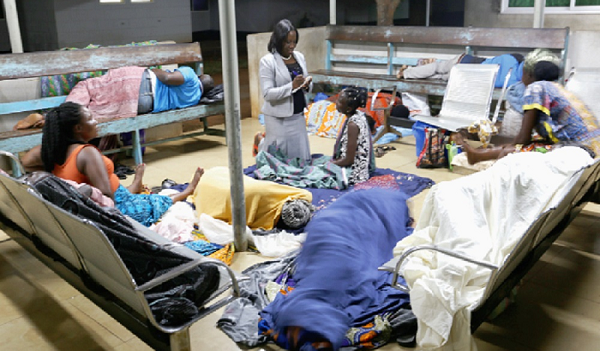
When the phrase becomes a verdict
The “no bed” problem remains one of the most painful parts of Ghana’s emergency care debate because it can turn a hospital visit into a waiting game with devastating stakes. Hospitals may be overwhelmed by referrals, emergencies, and limited capacity, but to grieving families, the reason matters less than the result. What they remember is the delay, the frustration, and the feeling that the system failed them at the moment they needed it most.
Korle Bu often sits at the center of these conversations because it receives a large number of emergency cases and referrals. That pressure does not exist in isolation; it reflects wider strain across the health system. But for a family in crisis, the reality is immediate and deeply personal. A bed is either available or it is not. And in that space between hope and admission, lives can be lost.
A recent case that renewed public attention involved a 29-year-old hit-and-run victim in Accra who was reportedly turned away by several hospitals because no vacant beds were available. According to reports, the patient was transferred from one facility to another for hours before dying. Cases like that give a human face to a problem that is often discussed only in policy language.
Why this grief feels bigger than one family
What makes Mzbel’s pain so powerful is that it has given public voice to a private grief many people understand but rarely discuss openly. Her loss is personal, but the reaction to it shows how deeply this issue cuts across social classes, professions, and public status. Hospital delays do not only affect the poor or the unseen. They can affect anyone whose life suddenly depends on a system under strain.
The emotional force of the story also lies in its familiarity. Most people do not need a lecture on what emergency delay feels like. They already know the anxiety of waiting, the confusion of referrals, and the dread of watching a loved one worsen while decisions are being made elsewhere. Mzbel’s loss has simply pulled that fear into the open again.
What the system still owes families
The debate now reaches beyond sympathy and into accountability. Families want to know how emergency admissions are handled when hospitals are full, who makes the decisions, and what happens when a patient arrives in urgent need but cannot be admitted immediately. Those are not abstract questions. They go to the center of whether the health system can respond when it matters most.
The issue also points to the need for stronger triage, clearer referral systems, and better coordination between hospitals and emergency responders. When hospitals cannot move fast enough, patients remain exposed at the worst possible time. That is why bed shortages should not be treated as routine complaints. They are emergencies in themselves.
The broader truth is uncomfortable but necessary: no family should have to turn grief into a public campaign before the system pays attention. Yet that is often what happens when these cases surface. The pain becomes news, the outrage builds, and the country briefly confronts a problem it already knows too well.
Why it matters now
Mzbel’s loss has reopened a wound that never fully heals because it speaks to a problem many people believe has gone on for far too long. Each new case adds to the frustration and deepens the mistrust. Each new family left waiting adds another layer to the public anger.
If the public conversation changes anything, it should push officials to treat emergency care as a national priority, not a recurring headline. The question is no longer whether the problem exists. The question is how many more families must suffer before the response becomes urgent enough.



 French
  English