
Ghana’s Rent Crisis Is Reshaping the Real Estate Market
Prêt pour la lecture.

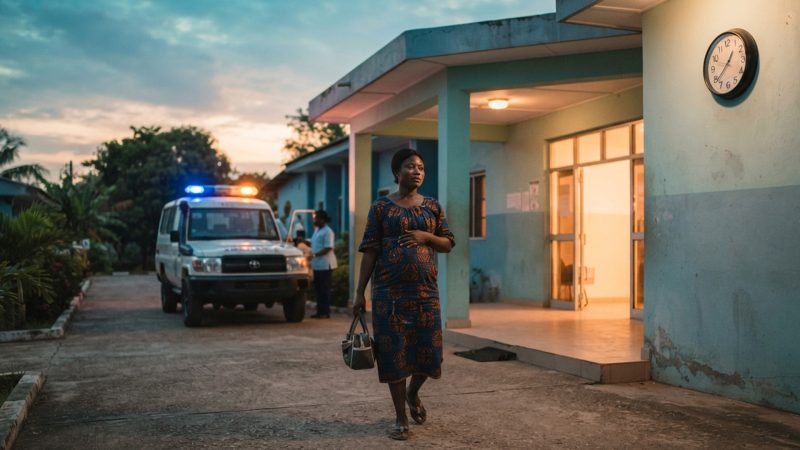
A young graduate lands her first job in Accra and finally feels ready to begin adult life. She earns GH₵ 5,000 a month and finds a modest apartment for GH₵ 1,500. Then the landlord asks for two years of rent upfront. The total jumps to GH₵ 36,000 before she can even move in.
That is not an unusual case. It is the reality for thousands of Ghanaians, and it shows how deeply the rent crisis is shaping the country’s real estate market.
Housing in Ghana has become one of the biggest pressure points in both urban and rural life. Rent prices keep rising, landlords continue to demand huge advance payments, and many workers still cannot access mortgages. The result is a market that rewards those with capital while pushing ordinary tenants further away from stability, savings, and homeownership.
A market under strain.
Ghana’s housing deficit remains close to two million units, and the shortage is most visible in the major cities. Young people make up a large share of the population, but many cannot find jobs or end up in the informal sector, where they earn unstable incomes and have limited access to credit. Even those who find formal jobs often discover that rent takes a large share of their monthly salary.
In Greater Accra, the problem is especially severe. A worker may earn a decent salary on paper, but after paying rent, transport, food, and family responsibilities, they have little left to save. The demand for accommodation keeps pushing tenants into overcrowded rooms, shared apartments, and long commutes from cheaper suburbs.
The market has also become increasingly segmented. In high-income areas of Accra, property values continue to rise, pushing renters into more affordable neighborhoods farther from the city center. That divide has turned housing into both a financial burden and a social barrier.
The law is clear, but compliance is weak
Ghana’s Rent Act of 1963 limits advance rent payments to six months, but many landlords still demand one or two years upfront. In practice, tenants often have no choice but to comply. The law exists, but enforcement remains weak.
That gap between law and reality has helped create what many now call the advance-rent economy. Instead of accepting the monthly payments common in many other countries, Ghanaian landlords frequently require tenants to pay massive sums before moving in. For young workers, that can delay independence, marriage, savings, and even family planning.
The Acting Rent Commissioner has also warned landlords against using exchange-rate changes or rising material costs as a blanket excuse for arbitrary rent hikes. He argued that landlords cannot raise rent simply because cement, iron rods, or market prices have gone up. If a landlord wants an increase, the property must justify it through proper procedures and evidence of maintenance or improvement.
That point matters because many tenants already feel squeezed by rising costs without seeing better housing conditions in return.

Why tenants feel trapped
The rent crisis does not affect all Ghanaians equally. Young workers, newly married couples, students, and informal-sector earners often feel it most sharply. A person earning GH₵ 5,000 a month may still struggle to pay GH₵ 1,500 in rent, especially when landlords demand two years' rent in advance.
That kind of pressure keeps many people living with parents far longer than they want to. Others move into crowded rooms or cheaper suburban areas, where rent may be lower but transport costs rise. Some eventually give up and stay in unstable arrangements for years, unable to save enough for anything else.
The problem extends beyond the city too. Teachers, nurses, and other public workers posted to rural communities often refuse or abandon assignments because they cannot find decent accommodation. When that happens, the housing shortage begins to affect education, healthcare, and local development.
Homeownership remains out of reach
For many Ghanaians, renting is only one part of the problem. Owning a home is even harder. Formal mortgages remain expensive, with high interest rates and strict down-payment requirements that lock out most workers. The informal sector, where many young people earn their income, offers little help because it often lies outside the formal credit system.
That means many people are forced into the incremental housing model. They buy land, lay a foundation, and build slowly over many years as money becomes available. For some, homeownership takes 10 to 15 years or more. By then, much of their working life has already gone into paying rent instead of building equity.
The wider property market also shows how much capital matters. In Accra’s prime neighborhoods, homes and luxury developments are priced far beyond the reach of average earners. Investment demand, including interest from the diaspora, continues to push prices up in desirable areas. That makes real estate attractive for investors but increasingly inaccessible for ordinary buyers.
What the market needs now
If Ghana wants a healthier real estate market, it must tackle the crisis from several directions at once.
The rent law needs a full update with real penalties for landlords who break it. The advance-rent system needs to be reduced so tenants can pay in monthly or more manageable terms. A stronger credit system could also help landlords trust tenants who do not have years of cash up front.
Housing supply must improve too. Affordable housing should target the households that actually need it instead of ending up in the hands of wealthier buyers and landlords. Building costs also need attention, especially the high cost of materials that drives up the price of construction and ultimately rent.
The housing market will not become fair overnight. But if the country wants real estate to support growth rather than punish workers, it has to make housing more accessible, more regulated, and more closely tied to income realities.
The economy may be stabilizing on paper. Inflation may be easing. Interest rates may fall. But those improvements mean very little to a young worker who still needs tens of thousands of cedis just to move into a room.
That is why the rent crisis is not just a social issue. It is a real estate issue, a housing policy issue, and an economic issue all at once. It shapes where people live, how they save, whether they can start families, and whether they can move from renting to owning.
Until the system changes, Ghana’s real estate market will continue to reward the few and strain the many.



 French
  English