
Behind the Glitz: Ghana’s Entertainment Economy
Prêt pour la lecture.
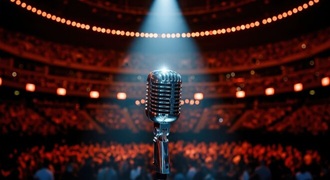
Scroll through Instagram, and Ghana's entertainment industry looks like a non-stop celebration of wealth. Musicians pose in designer outfits beside luxury cars. Actors film tours of lavish homes. Lifestyle influencers jet out of the country every other week. The message is clear: creative success in Ghana means financial freedom.
But behind the filtered photos and carefully staged videos lies a different story. For every artist living the dream, hundreds of working creatives struggle to survive. The gap between perception and reality in Ghana's entertainment economy is wide, and understanding it requires looking beyond the surface.
Fame Does Not Pay the Bills
Many Ghanaian actors have admitted publicly that fame does not equal wealth. Popularity brings recognition, but the financial returns from acting alone fall far below what the public assumes. Yaw Dabo, a Ghanaian actor, says acting brought him fame but not wealth. Many people wrongly assume actors earn huge sums because of their popularity.
"The movie industry gave me recognition and opened many doors for me, but it did not make me rich," he said.
He credits his success to the business opportunities that came from the fame, not from acting pay cheques. For Dabo, the real value of acting lies in the doors it opens, not the salary.
Industry insiders note that many people wrongly assume actors earn huge sums simply because of their public visibility. The truth is more sobering.
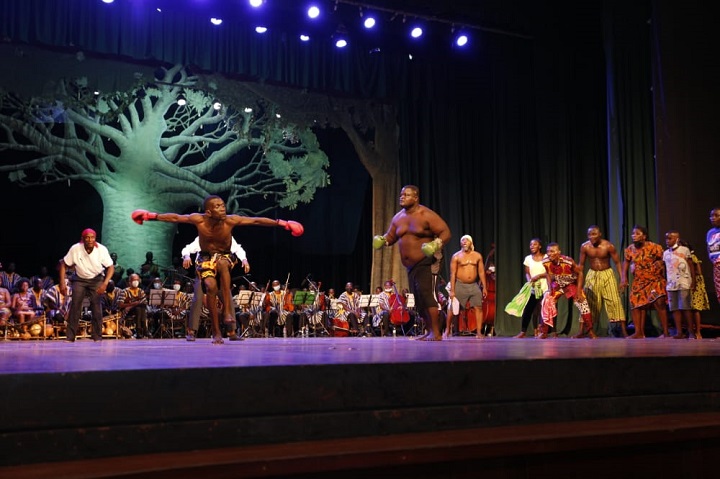
The Last to Get Paid
Across the global music industry, the pattern repeats. The artist generates the most visibility but often takes home the smallest share. Record labels, executives, managers, and distributors collect their portions first. Production costs, marketing expenses, and contractual obligations eat into whatever remains.
In many cases, the most famous person in the room is also the most financially vulnerable. The glamorous lifestyles portrayed in music videos and on social media do not reflect the reality behind the scenes.
The Instagram Economy
The pressure to appear successful creates what observers call the Instagram economy. Creatives feel compelled to project wealth because perception drives opportunity. Brands want successful artists. Event organisers book acts that look in demand.
This forces unsustainable behaviour. Artists rent cars they cannot afford for videos. They borrow clothes for shoots. They spend money they do not have to attract the next opportunity. The cycle leaves many deeper in debt than followers realise.
Where the Money Goes
Ghana's entertainment revenue structure shows stark imbalances. A small top tier commands high fees for corporate events and brand deals. Below them, a middle tier earns enough to survive but funnels most income back into production. At the bottom, the majority operate at a loss, funding their own work and accepting exposure in lieu of payment.
Streaming pays fractions of a cent per stream. Most Ghanaian artists cannot generate the millions of plays needed for a living wage. Instead, they depend on inconsistent live performance fees and seasonal corporate bookings.
For actors, steady contracts are rare. Payment delays are common. Some productions never pay at all. Without strong unions or enforceable contracts, performers have little recourse.
Brand endorsements appear lucrative but often come with exclusivity clauses, long payment delays, and demands for extensive content beyond the original agreement. Younger artists, eager for their first major deal, sometimes accept unfavourable terms that lock them into low-paying arrangements for years.
From Talent to Trade
Industry analysts argue that Ghana must rethink its entertainment policy. The current framework treats creative work as a hobby rather than a trade. Stronger copyright enforcement, tax incentives for investors, and dedicated funding mechanisms would help artists build sustainable careers.
Nigeria's Nollywood grew from a similarly chaotic foundation into a multi-billion dollar industry through strategic investment and policy reform. Ghana can learn from that example.
Several changes could make a difference. Stronger contractual protections would reduce exploitation. Financial literacy programmes would help artists manage irregular income. Investment in physical infrastructure, cinemas, studios, performance venues, would create more earning opportunities. Better data collection would allow the industry to advocate for resources effectively.
Ghana's entertainment industry has undeniable talent and global reach. What it needs now is the structural support to turn fame into lasting financial stability.
 French
  English