
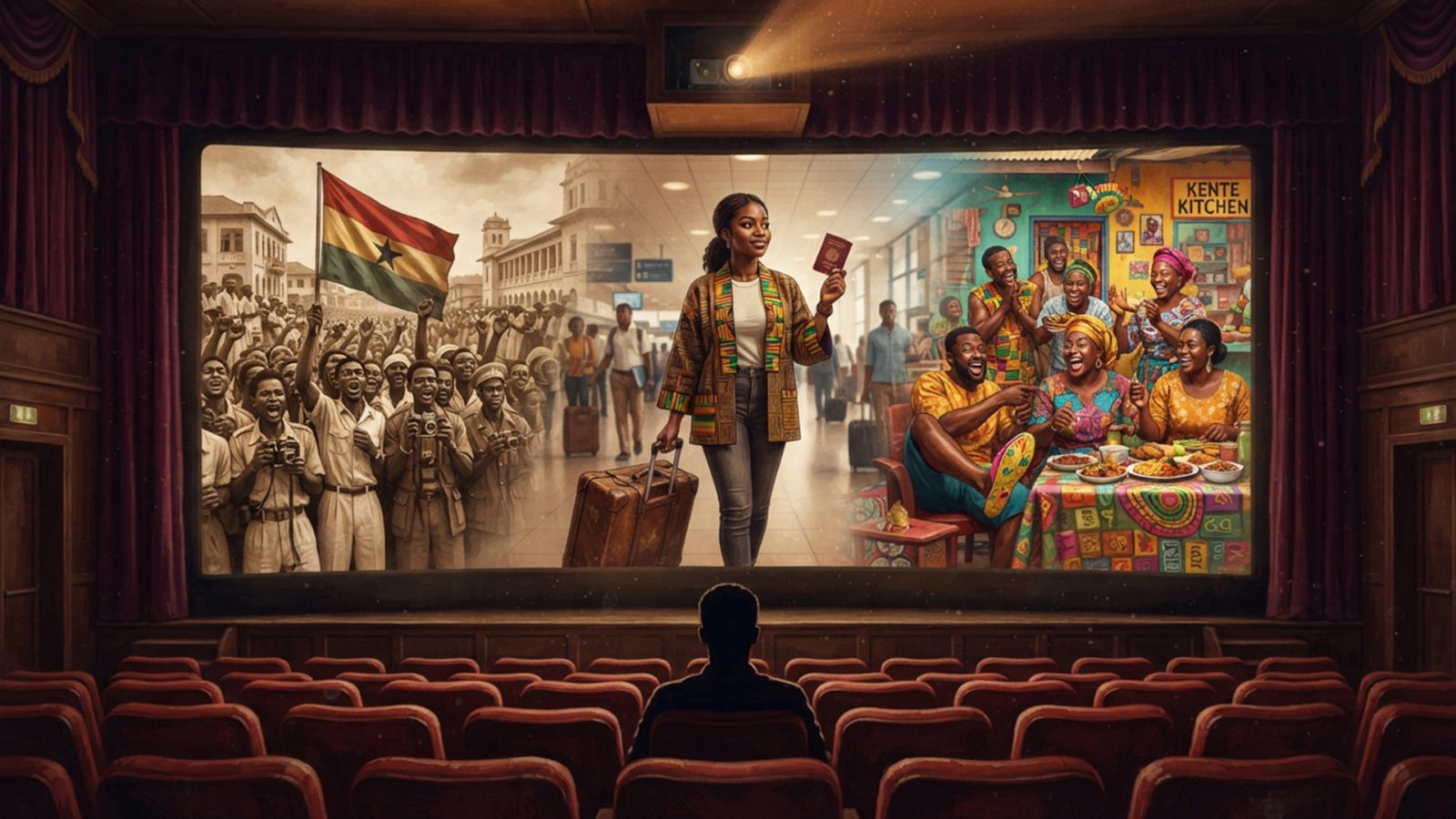
Ghana will turn 70 in March 2027. There will be speeches, flags, school programmes, parades and the familiar language of national pride. But this time, the anniversary is also heading to the cinema.
Two of Ghana’s most recognisable film producers, Shirley Frimpong-Manso of Sparrow Studios and Peter Sedufia of OldFilm Productions, have unveiled The 70 Slate, a three-film project designed to take audiences through Ghana’s past, present and possible future. The films are The Return of Makunse, due in December 2026; Nkrumah’s Red, Gold and Green, scheduled for July 2027; and a contemporary remake of Bob Cole’s I Told You So, expected in December 2027.
The announcement is easy to celebrate. Ghanaian cinema needs big moments, strong collaborations and projects ambitious enough to make people leave their homes and return to theatres. But the deeper question is not whether three films can make Ghana@70 feel glamorous.
It is whether they can make Ghana look honestly at itself.
A national anniversary is a powerful script
Every country tells stories about itself. It chooses the heroes it remembers, the sacrifices it celebrates, the failures it softens and the hopes it places in the future. Anniversaries make that storytelling louder.
Film is one of the most powerful ways to do it because it does not simply describe history. It makes history visible. It gives people faces, voices, rooms, streets, arguments and emotions. A good film can make an event from 1957 feel close enough for a young Ghanaian in 2027 to understand why it mattered. It can make a migration story feel less like a statistic and more like the private cost of a family’s decision. It can make comedy carry truths that a formal national address may never say.
That is the ambition behind The 70 Slate. The project is meant to celebrate Ghanaian cultural heritage, reflect on the country’s journey and explore where Ghana has come from, where it stands and where it could be going. The filmmakers also want the films to revive cinema culture, attract diaspora engagement and tourism, and present Ghana as a creative force in Africa’s changing film industry.
That is a lot to ask from three productions. But it is exactly why the project matters.
Three films, three versions of Ghana
The strength of The 70 Slate is that it does not try to tell Ghana’s story through one film.
First, The Return of Makunse, due in December 2026, explores migration, broken promises and the dream of a better life abroad. It speaks to a present-day Ghana where many young people see travel as escape, success or survival, even as others discover that life abroad can come with disappointment and loneliness. The film could connect with a generation still deciding whether opportunity is something to build at home or search for elsewhere.
Then comes Nkrumah’s Red, Gold and Green in July 2027, returning to the final 24 hours before Ghana declared independence in 1957. The real challenge will be making that moment feel alive for young audiences not simply recreating history, but showing the pressure, uncertainty and hope behind it. It should help viewers reflect on the difference between the Ghana imagined at independence and the Ghana they live in today.
Finally, the December 2027 remake of Bob Cole’s I Told You So brings comedy and nostalgia into the slate. A remake can easily rely on the memory of the original, but it can also preserve an important part of Ghana’s film history. The question is whether this new version will do more than update the dialogue and wardrobe, using comedy to show both how far Ghana has come and how much still feels familiar.
Cinema can do what ceremonies cannot
The 70 Slate could matter more than a typical anniversary campaign because film can do what ceremonies often cannot: create room for difficult questions.
A migration story can ask why so many young people see their future abroad. An independence film can question whether Ghana has fulfilled its founding promise. A comedy remake can reveal the habits and pressures Ghanaians recognise but rarely discuss. That is when cinema becomes more than entertainment it becomes a public conversation.
With Sparrow Studios’ polished drama, OldFilm Productions’ accessible storytelling, and a cast that includes Joselyn Dumas, Adjetey Anang, Naa Ashorkor, Fella Makafui, Kwame Dzokoto and Augustine Abbey, The 70 Slate has the potential to reach different generations. But it must feel bigger than a premiere-night project. It should speak to ordinary Ghanaians who have lived the country’s hopes, frustrations and contradictions.
The diaspora is part of the story, not only the audience
The 70 Slate aims to reach Ghanaians abroad and introduce Ghanaian stories to wider audiences. That matters because the diaspora shapes life at home through remittances, separated families, visa dreams and the realities behind migration.
The Return of Makunse places that experience at the centre of its story. But the films should not polish Ghana into a perfect export. They will travel further if they stay honest about the humour, family pressures, class gaps, ambitions and disappointments Ghanaians recognise. Local truth is what makes a story global.
The real test is after the premieres
The National Film Authority, Ministry of Tourism, Culture and Creative Arts and the Diaspora Affairs Office of the President are supporting The 70 Slate, while brands including Nestlé Ghana, GLICO and Silverbird Cinemas are listed as partners. That level of support makes the project significant. It shows that film is being treated as part of Ghana’s cultural and economic image, not merely as private entertainment.
Still, the real test will come after the red carpets, trailer launches and opening weekends.
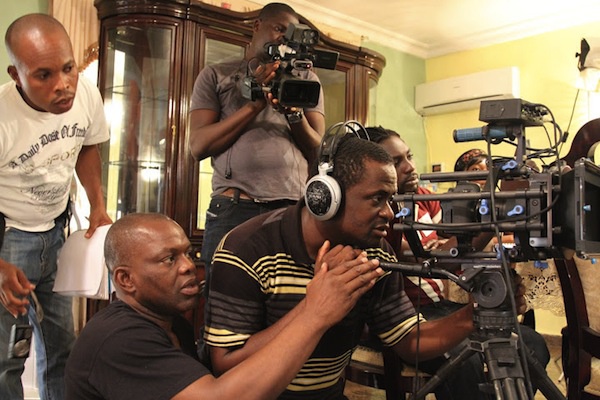
Will the films be accessible beyond Accra? Will young people in Kumasi, Tamale, Takoradi, Ho and smaller towns have a meaningful chance to watch them in cinemas, community screenings or legal digital releases? Will schools and universities use them to discuss migration, history and national identity? Will the project create work and development opportunities for local crew members beyond its high-profile cast? And will it encourage investors and policymakers to support film consistently, not only when an anniversary makes it fashionable?
The answers will determine whether The 70 Slate is remembered as a polished Ghana@70 campaign or as a moment that helped shift Ghanaian cinema into a larger national role.
A nation is more than its highlight reel
Ghana at 70 deserves celebration. Independence matters. Cultural pride matters. Ghanaian film deserves investment, bigger audiences and the confidence to compete beyond its borders.
But celebration becomes more meaningful when it allows room for truth.
The story of Ghana is not only independence-day photographs, flags and famous speeches. It is also the young graduate considering migration, the family balancing hope with survival, the citizen asking whether national promises have reached everyday life, and the artist trying to tell a local story without making it smaller for the world.
The 70 Slate cannot carry all of that alone. No three films can.
But if the project is brave enough to make audiences feel pride without avoiding discomfort, then Ghana at 70 may get something more lasting than a commemorative programme.
It may get a chance to see itself on screen.

 French
  English