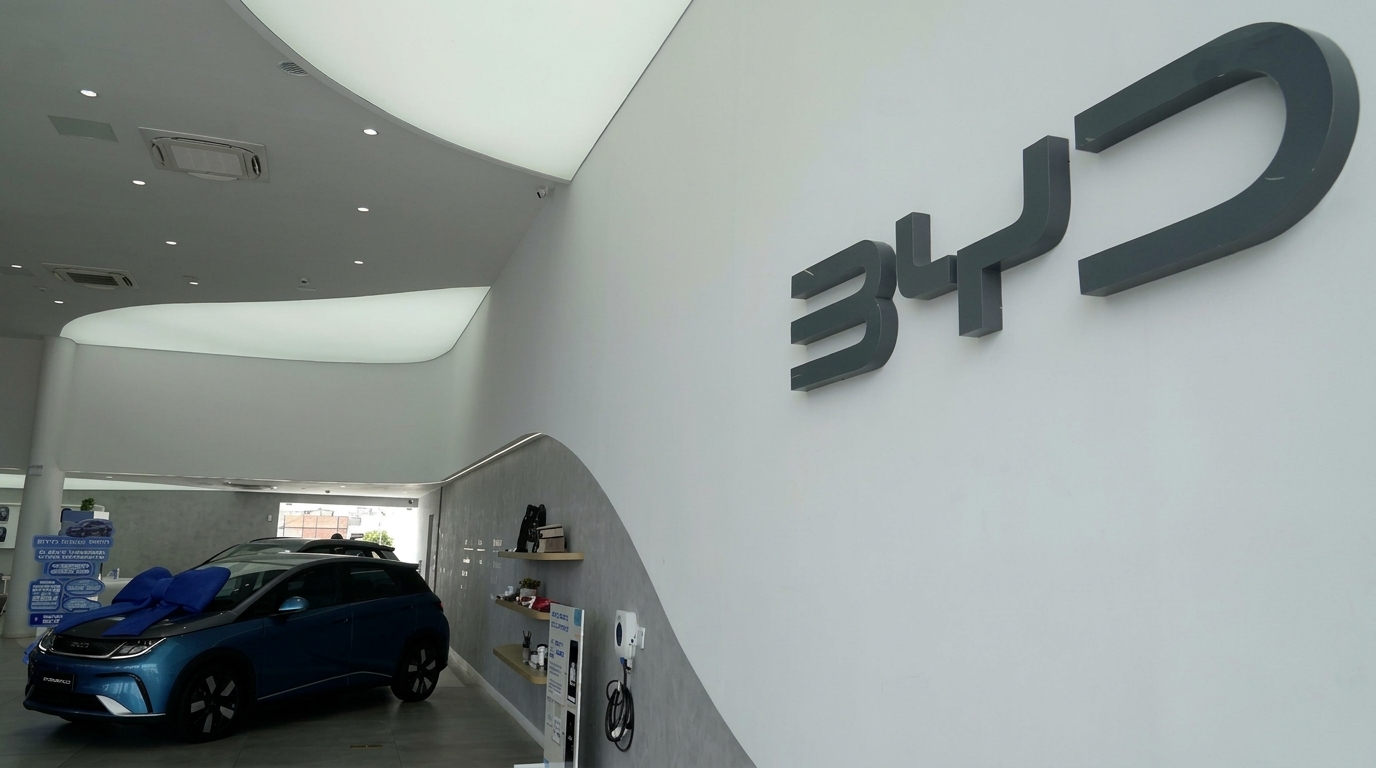
BYD’s talks to buy Ineos Automotive’s Hambach plant in France are about more than one factory. They are about where the world’s electric vehicles will be built, and who will control that future.
The Chinese EV maker has entered exclusive negotiations to acquire the Hambach site, near France’s border with Germany.
If the deal goes through, BYD would gain a production base in France and strengthen its position in one of the world’s most important electric vehicle markets.
But the bigger story is what that move represents. BYD is not simply expanding. It is changing how it competes in Europe.
From exporter to European manufacturer
For years, Chinese automakers have grown by exporting vehicles into markets around the world. BYD’s move toward local production signals a shift in that strategy.
Instead of relying only on imports, BYD wants to produce cars closer to European customers. That could reduce shipping costs, improve supply chains and make its vehicles more competitive in the region.
It also gives BYD more control over how it serves the market, from production timelines to local partnerships and after-sales support.
A factory with history, not empty space
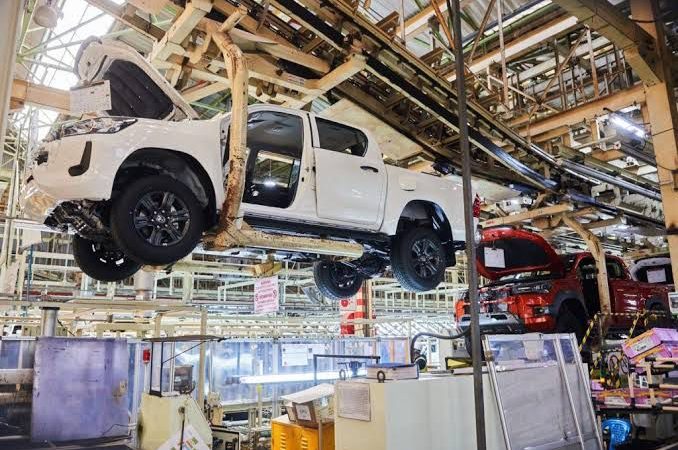
The Hambach factory is not an empty site. It is an established automotive plant that previously produced vehicles for Mercedes-Benz.
It employs about 900 workers and gives BYD access to existing manufacturing infrastructure, skilled labour and a location close to major European markets.
For BYD, that makes the plant more attractive than starting from scratch. It provides a faster route into European production.
When local rules shape global strategy
BYD’s interest in local production also comes ahead of planned European Union rules that could require local content in electric vehicles for them to qualify for subsidies and government contracts.
That means building in Europe is no longer just about efficiency. It is about access.
By producing vehicles inside the region, BYD would be better placed to meet those requirements and protect its position in the market.
Europe’s carmakers face a new kind of rival
BYD’s move increases pressure on European manufacturers. The competition is no longer only about who sells the most cars. It is also about who can produce them locally, meet regulations and build supply chains.
That changes the competitive landscape. European brands now face rivals that are not only competing on price, but also investing in local production and industrial capacity.
For the wider industry, the move is a reminder that the future of EV competition will not only be decided in showrooms. It will also be decided in factories, supply chains and local production strategies.
Jobs, politics and the price of progress
BYD has said it would preserve jobs at the Hambach site if the acquisition goes ahead.
That matters for France, where the plant supports about 900 workers and has a history tied to major automotive production.
For the French government, the potential deal offers a chance to keep an industrial site active while attracting investment from one of the world’s largest electric vehicle makers.