
Consume Ghana, Wear Ghana: The New Entertainment Economy
Ready to listen.
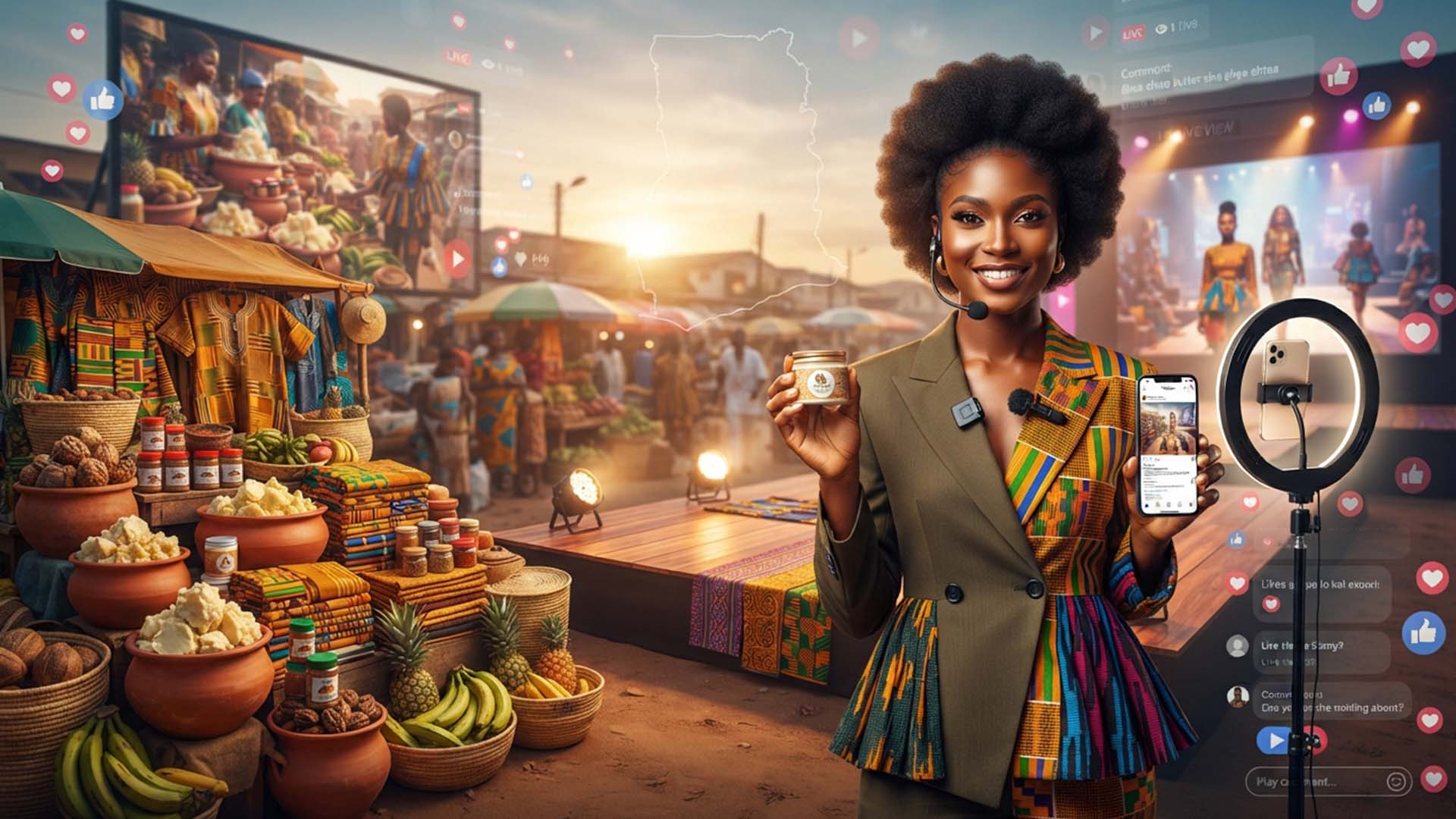
Ghana is turning everyday products into storylines. The state has named a Global Shea Butter Ambassador. A wellness and cultural brand is running food and fashion challenges that trend online. Models, actors and influencers are framing local goods as part of a lifestyle, not just a purchase. Underneath it all is a simple slogan that is starting to sound like a national mission: consume Ghana, wear Ghana.
This is not only about economics. It is about entertainment. When a product becomes a narrative, it stops competing only on price and starts competing on identity. The question now is whether Ghana can turn this cultural energy into a durable entertainment economy that works for farmers, creators and brands alike.
From shea butter to cultural ambassador
Ghana has officially named model, entrepreneur and cultural advocate Hamamat Montia as its Global Shea Butter Ambassador, recognising her work through the Shea Butter Museum and her advocacy for local value addition. In interviews, she has framed the role as a call to action, urging Ghanaians to embrace local products and help take the story of Ghanaian shea butter to the world.
Her message is clear. “We must consume Ghana, we must wear Ghana,” she says, linking daily consumption choices to national pride and global branding. This is not a new idea in development circles, but it is gaining new force when delivered through entertainment channels, social media and celebrity influence.
The Shea Butter Museum itself is part of this shift. It is not only a place to learn about production. It is a content engine, a photo backdrop, a venue for events and a physical manifestation of a brand story that can travel online and offline.
Wellness challenges as entertainment content
At the same time, Hamamat’s brand has launched a competition series that turns Ghanaian food, fashion and wellness into episodic content. Participants compete in challenges that highlight local ingredients, traditional dishes and Ghanaian aesthetics, with winners celebrated on social media and in press coverage.
This format is familiar from global reality TV and influencer culture, but applied here to local products and practices. The result is a blend of wellness, lifestyle and entertainment that makes “consume Ghana” feel less like a slogan and more like a lifestyle people want to join.
When these challenges trend, they do more than move a few units of product. They create recurring storylines that keep Ghanaian culture in the feed, the conversation and the imagination of young audiences who might otherwise look abroad for inspiration.
The wider push to brand Ghana through culture
This entertainment-led approach sits inside a wider national effort to brand Ghana through culture. Events such as the This Is Ghana Exhibition bring together over 150 businesses to showcase local products under one roof, turning shopping into an experience. Diaspora festivals like Ghanafest in Chicago package music, food, fashion and business into a single cultural extravaganza that travels with the Ghanaian community abroad.
Even beauty pageants are joining the push. Geisha Ghana’s inaugural Mama G competition crowned a winner who is now positioned as a face of local brands, linking personal story to product and national pride. Government officials are also urging ambassadors and high commissioners to promote Ghana’s interests and products in their postings, turning diplomacy into another channel for the “consume Ghana” message.
Together, these moves create a layered ecosystem where culture, commerce and entertainment reinforce each other. A shea butter jar is no longer just a cosmetic product. It is a piece of a larger story about Ghanaian heritage, quality and modernity.
Why entertainment matters for the “consume Ghana” mission
Ghana has long run “Made in Ghana” and local patronage campaigns. What is different now is the channel. Instead of relying only on radio jingles and official launches, the message is travelling through influencers, challenges, museums, exhibitions and festivals that generate their own media coverage.
Entertainment does three things that pure policy cannot. It makes the message emotional. It makes it repeatable. And it makes it shareable. When a young person sees a favourite creator cooking a local dish in a challenge, or wearing a Ghanaian designer at a high-profile event, the choice to “consume Ghana, wear Ghana” feels less like a duty and more like a trend they want to be part of.
This is where the idea of a new entertainment economy comes in. The value is not only in the sale of a product. It is in the content that surrounds it, the jobs created in media and events, and the soft power that builds when Ghanaian culture travels through entertainment rather than only through aid or development reports.
The risks and the test ahead
The risk is that “consume Ghana, wear Ghana” becomes a slogan without substance. If local products are poorly made, inconsistently supplied or overpriced, the cultural push will not sustain itself. If the benefits flow only to a few visible faces while farmers and small producers remain marginalised, the narrative will ring hollow.
The test for this new entertainment economy is whether it can connect the glamour to the ground. Can the shea butter ambassador’s global story translate into better prices and conditions for women in shea-producing communities? Can food and fashion challenges create lasting demand for local suppliers, not just a spike in attention? Can festivals and exhibitions become reliable marketplaces for small businesses, not just one-off events?
If the answer is yes, Ghana will have built something more durable than a campaign. It will have built an ecosystem where culture and commerce feed each other, and where “consume Ghana, wear Ghana” is not just a line in an interview, but a living economic model.

 English
  French