
Six Weeks to Pack: Maamobi Traders Resist Relocation Ultimatum
Prêt pour la lecture.
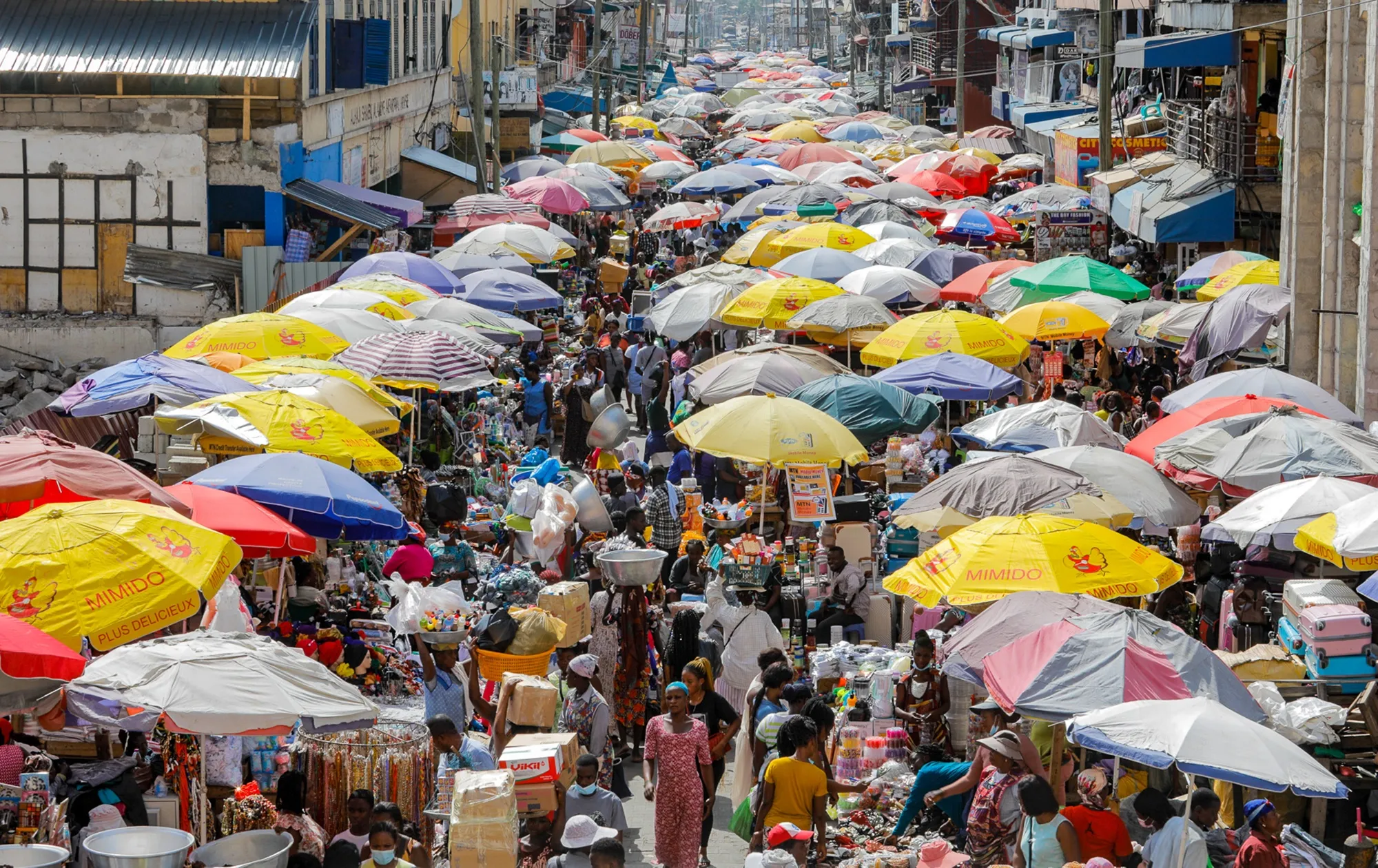
Walk through Maamobi's Kaasuankuda site on any afternoon. You will witness the heartbeat of Accra's informal economy. Porters shout. Local spices fill the air. A fragile peace has long held this place together. Today, that peace has shattered.
The Ayawaso North Municipal Assembly has handed down a six-week eviction notice. The mandate cuts straight to the point: pack up and leave. Traders must vacate to make way for a 24-hour economy market project.
Hundreds of traders have pushed back immediately.
Behind the glossy promises of urban renewal lies a devastating reality. For the traders who anchor this community, six weeks does not represent a transition period. It represents an economic death sentence.
The Dispute
Residents and traders at the Kaasuankuda site reacted with shock. Municipal Chief Executive Mr Haruna Mohammed Awal had given them six weeks to relocate to Ayikuma near Dodowa.
Here is the critical detail. The group insists they were already engaging the assembly on relocation. According to them, the MCE never formally informed them of a six-week ultimatum. Instead, the media broke the news.
Operating now as Concerned Citizens of Maamobi No. 2 Market, they contest the timeline vigorously.
Let us trace how this unfolded. A joint technical committee with five representatives from each side had been agreed upon at a May 25, 2026 meeting. The community submitted its nominees in June. The assembly never responded. Then, without any warning, the assembly announced the deadline publicly.
Missing Amenities
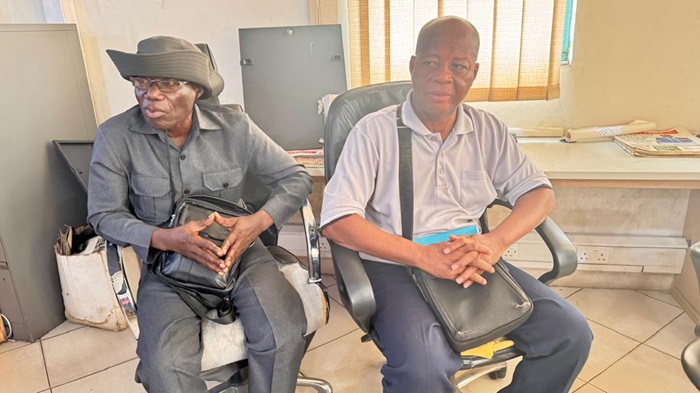
The group inspected the proposed site at Ayikuma. They found it unsuitable for immediate occupation. Mr Tsekpo confirmed the findings. The land lacks access roads, potable water, electric power supply and land clearance.
Furthermore, no Memorandum of Understanding has been signed between the parties.
"Before any movement takes place, we need an MoU that clearly states the terms agreed upon. Once that is done, adequate time can then be given for people to relocate in an organised manner," he said.
Traders have made their position clear. They will only relocate if the assembly provides essential amenities, stalls, electricity, water, healthcare, and security services.
The Assembly's Defense
The assembly insists they communicated relocation plans to residents. Officials say residents were informed about the move to Ayikuma, planned for November 2025. The assembly has engaged the community numerous times, they claim.
Officials also point out a key legal fact. The land belongs to the government. It has never held residential status.
The assembly plans to develop a 24-hour economy market on the site. Government funding backs this project. GH¢42 million comes from the assembly's own funds. The total project cost sits at GH¢58 million.
The Legal Angle
Mr Tsekpo argued that discussions facilitated by the Commission on Human Rights and Administrative Justice and the Legal Aid Commission had established a clear sequence. Relocation should precede eviction. The six-week notice contradicts that agreed sequence.
He cited Article 20 of the Constitution. This article requires that persons affected by forced evictions receive proper resettlement. Their living conditions must not become worse than before.
A previous attempt to evict occupants in 2023 was suspended after residents petitioned the Ministry of Local Government. Traders hope history repeats itself.
The Bottom Line
Disrupting a major trading hub like Maamobi without proper preparation will spike commodity prices. It will push vulnerable traders deeper into poverty. Aggressive enforcement without a safety net hurts the same people urban renewal claims to help.
A smarter path exists. The assembly should implement a phased relocation timeline of six months to a year. It should facilitate inclusive stakeholder dialogue featuring market queens, activists, and planners. It should provide financial safety nets like transition grants to help traders survive the move.
Modern infrastructure should serve the people, not displace them. If Accra's modernization comes at the cost of its local traders' livelihoods, the city risks losing its economic heartbeat.




 French
  English