
Good News for Students: Hostel Rent Increases Halted Nationwide
Prêt pour la lecture.

For years, the conversation around student housing in Ghana followed the same tired pattern. Rooms kept shrinking. Ventilation remained poor. Rent climbed higher every year. And landlords raised prices anyway, because they could.
That conversation just took a sharp turn.
The government has stepped in with a directive that changes the game for thousands of students across the country. Rent increases at hostels have been halted. Landlords who ignore the order face legal action. For the first time in a long time, tenants hold the upper hand.
How We Got Here
Student accommodation in Ghana has long operated in a grey area. Hostels popped up wherever land came cheap, often without proper licences or oversight. Rooms shrank while rents climbed. Students paid what landlords demanded because finding somewhere else mid-semester proved harder.
Complaints flew in all directions, but they never landed anywhere useful. Individual students bargaining with individual landlords rarely ended well. Everyone knew the market was tilted.
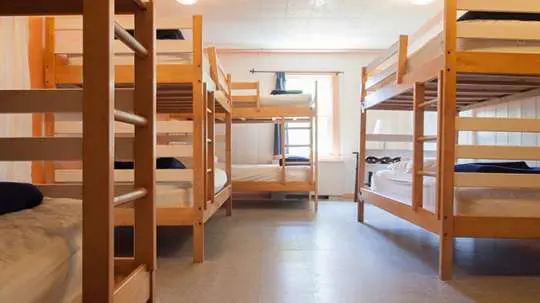
Then the inspections began. The Rent Control Department sent teams into hostels across the country, and they uncovered things that demanded attention. Rooms measuring about 16 feet by eight feet housed up to four students. Ventilation barely existed. Conditions were cramped. And landlords still charged what officials described as excessive fees.
The Acting Rent Commissioner, Mr Frederick Opoku, called them cubicles rather than suitable accommodation. He was not paying anyone a compliment.
The Directive
Speaking at a press conference in Accra, Mr Opoku delivered an unmistakable message to hostel operators. All planned rent increases must stop immediately. Any notices already issued must be withdrawn. Landlords who proceed with increases despite the directive will face prosecution.
For students, he gave equally clear instructions. If your landlord tries to raise your rent after this directive, ignore the demand. Submit a copy of the notice to the Rent Control Department. Let them handle the rest.
The six-month advance rule has also returned to the spotlight. Landlords have long faced a legal prohibition against demanding rent advances beyond six months, but enforcement always remained patchy. Not anymore. The Commissioner warned that offenders would now face prosecution. That old law everyone ignored? It finally has teeth again.
A Bigger Shift Underway
Make no mistake, this rent freeze does not stand alone. It forms part of a broader campaign to regulate a market that has operated with far too little oversight for far too long.
All landlords across the country must soon register with the Rent Control Department and obtain a unique identification number. Without it, they lose access to any of the department's services. The message could not be simpler: if you want the protections of the system, you have to join it.
The department has also partnered with the Ghana Tourism Authority to monitor hostel facilities, especially those operating without the required licences and registration. Many hostels existed in a regulatory blind spot for years, not quite hotels, not quite standard rental housing. That blind spot has now closed.
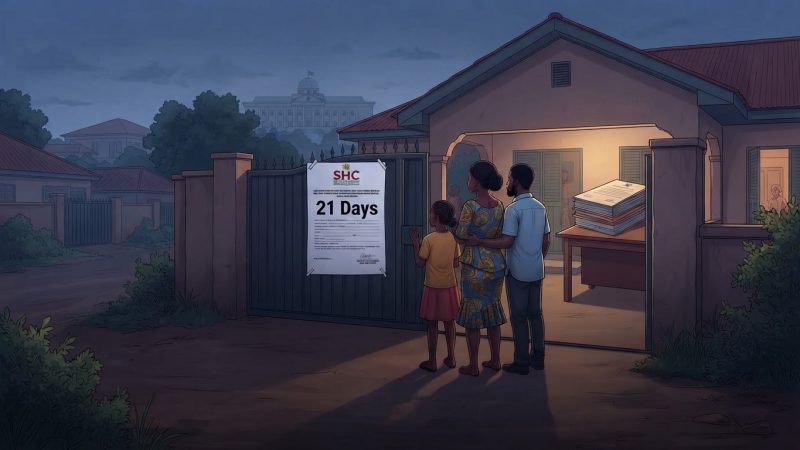
Full enforcement will begin after six months of public education on landlord and tenant rights and responsibilities. The grace period is generous, but the direction remains unmistakable.
What This Means for Students
If you rent a hostel, the landscape has shifted in your favour. The law now backs you in ways it never did before. Refuse if your landlord demands more than six months rent in advance. Report them if they try to raise your rent against the directive. File a complaint if your room feels unsafe or unsuitable.
Document everything. Keep copies of every notice. Know where your nearest Rent Control office sits. The system is finally ready to work for you, but you must show up and use it.

What This Means for Landlords
Fair operators have little to fear from these changes. Charge reasonable fees. Maintain habitable conditions. Respect the six-month limit. Stay registered. These have always been the standards, and the new enforcement regime simply rewards what compliance looks like.
But landlords who have cut corners, running unlicensed operations, demanding excessive advances, offering substandard conditions, face a completely different calculation. The combination of landlord registration, Tourism Authority oversight, and the explicit threat of prosecution creates a regulatory environment far more hostile to exploitation than anything seen in recent years.
The Bottom Line
This transcends any single directive. It signals that the government is serious about bringing order to Ghana's rental housing market. The era of unchecked rent hikes and unregulated hostels is drawing to a close.
Thousands of Ghanaian students have quietly endured cramped rooms, poor conditions, and rising costs for years. The message they finally receive is one worth celebrating: the law stands on your side. And it is here to stay.



 French
  English