King Ayisoba has spent years carrying the sound of northern Ghana into contemporary music. Now, that sound is heading to the Grammys.
The Ghanaian musician and Rocky Dawuni have earned a nomination for Best African Music Performance at the 2027 Grammy Awards for their song “No Tradition, No Africa.”
The nomination puts the kologo, a two-stringed instrument from northern Ghana, in front of a global audience.
For King Ayisoba, the recognition is about more than a trophy. It is about an instrument and a sound that have long been part of northern Ghana’s musical identity.
The instrument behind the sound
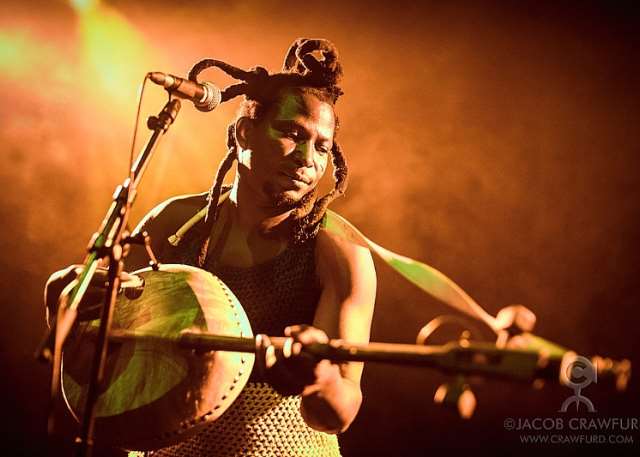
The kologo is a traditional two-stringed lute associated with the Frafra people of northern Ghana and parts of southern Burkina Faso.
It is usually made from a calabash gourd covered with hairless goat skin, with two strings stretched across it.
The instrument is used to accompany singing, storytelling, praise songs, dances and social ceremonies.
That makes the kologo more than a musical tool. It is part of how communities in northern Ghana share history, express identity and mark important moments in life.
King Ayisoba’s journey with the kologo
King Ayisoba, born Albert Apoozore in Bongo Soe in the Upper East Region, began playing the kologo as a child.
He has said he learnt to play on his own, describing God as his teacher.
As a young musician, he played in local bars, markets and funerals, building a name for himself in the local scene before taking his sound to bigger cities such as Kumasi and Accra.
His music blends traditional kologo rhythms with contemporary influences, including electronic beats and reggae.
That fusion has helped him bring a sound rooted in Frafra tradition to audiences far beyond northern Ghana.
What “No Tradition, No Africa” is saying
“No Tradition, No Africa” is not just a song title. It is a statement about identity, heritage and the danger of losing connection with one’s roots.
The song centres on African identity, cultural heritage and the importance of preserving traditions that connect people to their roots.
King Ayisoba has said the message is simple: “Our strength is in our culture. When we forget where we come from, we lose our way. This song is to remind us to go back, so we can go forward.”
Rocky Dawuni’s Afro-roots influence adds another layer to that message, reinforcing the idea that African tradition is not something to leave behind, but something to build on.
Why the Grammy nomination matters
King Ayisoba and Rocky Dawuni are nominated alongside major African artists including Tems, Wizkid, Asake and Angélique Kidjo featuring Ayra Starr.
But their nomination stands out because it brings a different kind of African sound into the conversation. It is not built around Afrobeats or global pop. It is built around tradition, local instruments and cultural storytelling.
That matters because African music at the Grammys is often discussed through a narrow lens. This nomination widens it.
For northern Ghana, it is also a rare form of global visibility. The kologo is not just an instrument. It is part of a musical tradition that has shaped communities and stories in the region.