
A new premium development in Airport Residential is highlighting how Accra’s housing market is changing, with developers placing greater emphasis on convenience, wellness, security and rental potential.
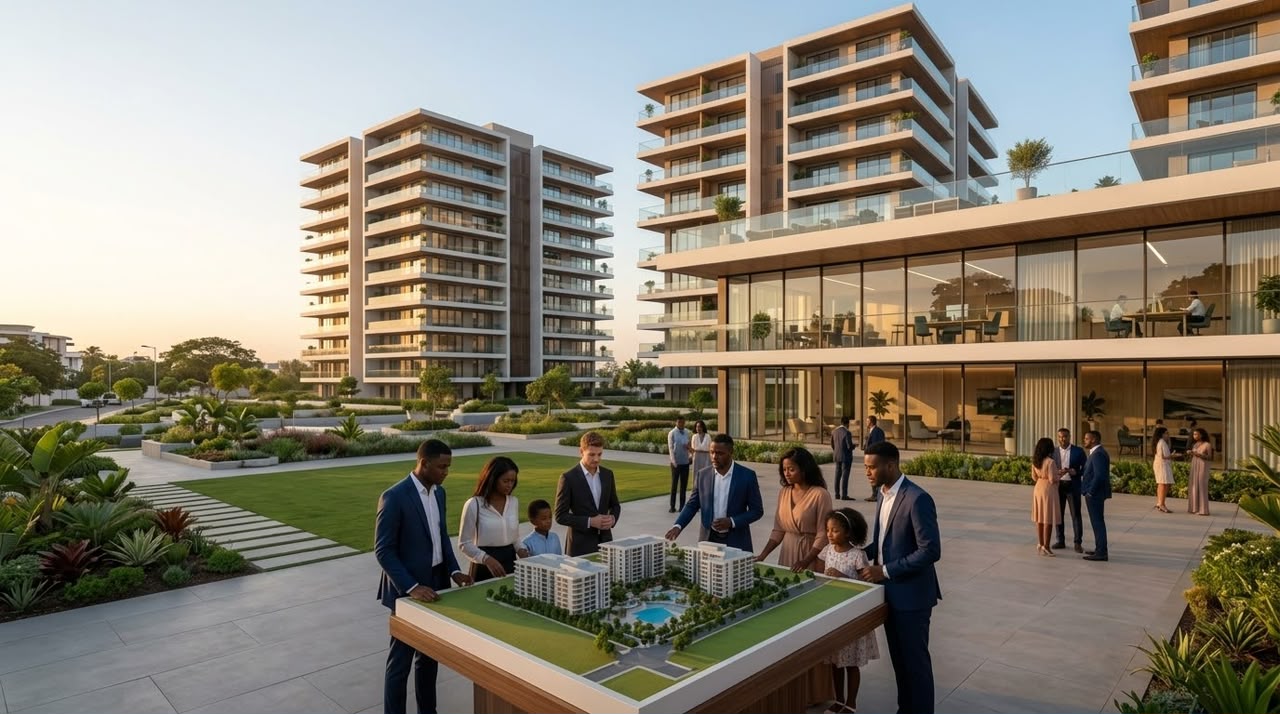
Devtraco Plus has unveiled LOTUS, Airport Residential, its 12th real estate development and a new addition to Accra’s premium housing market. The project consists of two 12-storey towers off Patrice Lumumba Road, offering residential, commercial and lifestyle facilities.
The development arrives as Accra’s property market continues to split into two clear segments: affordable housing aimed at broadening ownership, and premium, serviced developments targeting professionals, diaspora buyers and investors. LOTUS belongs firmly to the second category, but its design choices reflect wider changes in what buyers and tenants expect from city living.
What LOTUS offers
LOTUS is designed around what the developer calls “quiet prestige,” combining private residences with shared amenities intended to make daily life more convenient. The project includes studios, larger residences and penthouses, giving buyers options at different stages of property ownership.
Residents will have access to a swimming pool, relaxation deck, co-working space, coffee shop, wellness centre and Zen garden. The development also includes a rooftop lounge, gymnasium, rooftop multipurpose sports area, concierge services, secure access, car services and on-site property management.
Smart-home technology is another feature, allowing residents greater control within their homes. The developer says the combination of security, property management and lifestyle facilities is intended to reduce the everyday pressures of living in a busy city.
Why Airport Residential matters
Location is central to the project’s appeal. LOTUS is positioned about two minutes from Kotoka International Airport and within walking distance of embassies, international schools and other neighbourhood conveniences.
Airport Residential has long been one of Accra’s most sought-after areas because of its proximity to major business hubs, diplomatic missions, hotels and premium services. For tenants and buyers who value convenience, that location can reduce commuting time and make daily routines easier.
The developer says the area’s proximity to embassies and companies is also expected to support rental demand. That makes the project relevant not only to people seeking a primary home, but also to investors looking for rental income or a property asset in Accra.
What it says about Accra’s market
The rise of developments like LOTUS shows that demand in Accra is no longer limited to simply owning a house. Buyers and renters increasingly want managed buildings, reliable security, shared workspaces, leisure facilities and services that reduce the burden of maintenance.
This shift is being driven partly by changing work patterns. With more professionals working flexibly or remotely, features such as co-working spaces, reliable connectivity and wellness amenities have become more important in residential developments.
It also reflects the growing role of diaspora buyers and regional investors in Accra’s property market. For these buyers, a managed apartment in a central location can be easier to maintain from abroad than a standalone house, especially if property management, rental support and security are included.
Investment potential and caution
Devtraco Plus says LOTUS is intended to serve buyers seeking a primary home, a second residence in Accra, a rental investment or part of a diversified property portfolio. The company has also highlighted the potential rental appeal of the Airport Residential location.
However, buyers should assess investment potential carefully. Rental demand, service charges, maintenance costs, occupancy levels, property management quality and currency movements can all affect returns. A prime location can support demand, but it does not guarantee profitability.
Prospective buyers should also compare the total cost of ownership with the expected rental income. Service charges for amenities such as pools, gyms, concierge services and security can be significant, so investors should ask for a clear breakdown before committing.
The affordability question
The launch of LOTUS comes amid continued concern about housing affordability in Ghana. While premium developments respond to real demand from higher-income buyers and investors, they also underline the need for more housing options for middle- and lower-income earners.
Ghana’s housing challenge requires both types of investment. Premium projects can generate jobs, attract capital and improve urban infrastructure, while affordable housing initiatives are needed to widen access to ownership for nurses, teachers, civil servants and other essential workers.
The key issue for policymakers and developers is balance: Accra needs homes that meet the needs of investors and affluent buyers, but it also needs well-located, well-built and genuinely affordable housing for the majority of residents.
What buyers should watch
For anyone considering a premium apartment in Accra, the most important questions go beyond the show unit and brochure.
Buyers should confirm the developer’s track record, the status of land documentation, completion timelines, service-charge structure, management arrangements and what happens if construction is delayed. They should also assess whether the building’s amenities will be properly maintained over time.
For investors, the practical test is whether the expected rent covers the mortgage or financing cost, service charges, vacancies, maintenance and management fees. A strong location is helpful, but cash flow and documentation matter more in the long run.
LOTUS is a sign that Accra’s premium housing market is becoming more sophisticated, with buyers expecting more than four walls and a parking space. Serviced living, wellness facilities, smart-home features and professional management are increasingly becoming part of the pitch.
For Ghana’s wider housing market, the challenge is to ensure that this kind of development grows alongside affordable housing, so that the benefits of a modernising property sector are not limited to a small group of buyers.




 English
  French