
How Location Shapes Rental Yields in Accra’s Gated Developments
Ready to listen.
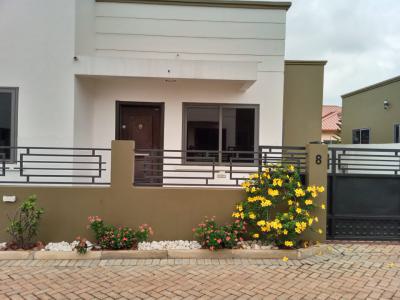
Location plays a major role in how much income a gated property can generate in Accra. Two homes can look almost identical in design, size, and finish, yet perform very differently depending on where they sit. For investors, the gate and the finishing matter, but the neighborhood often matters more.
Why location matters
Tenants do not just rent a house; they rent convenience, access, and a certain way of life. A gated home near major roads, business districts, schools, hospitals, and shopping centers usually attracts stronger demand because it makes everyday life easier. People are often willing to pay more for a property that shortens their commute and reduces stress.
Security also matters, and that is one reason gated communities remain attractive. Many renters want controlled access, a tidy environment, and a sense of safety. But location still shapes how strong that demand becomes. If the surrounding roads are poor, transport is difficult, or basic utilities are unreliable, the property loses appeal even if the estate itself looks impressive.
Where yields are strongest
Premium neighborhoods such as Airport Residential, Cantonments, East Legon, and Dzorwulu often attract the highest-paying tenants. Corporate workers, expatriates, and diaspora renters typically prefer these locations because they combine prestige with convenience. Developers in these areas can charge strong rents, but buyers must remember that high purchase prices can reduce the actual yield.
That is why many investors now look beyond the traditional luxury zones. Mid-market and suburban areas such as Spintex, Adenta, Kwabenya, Kasoa, Oyibi, and parts of Amasaman are drawing more attention. These locations usually offer lower entry prices and can provide a better balance between cost and rental income. In some cases, they produce stronger net returns simply because the initial investment is lower.
The difference is important. A home in a prime neighborhood may charge more rent, but if the buying cost is extremely high, the yield may not be as impressive as it first appears. A more affordable gated property in a fast-growing area can sometimes deliver a better return because the investor spends less to acquire it.
What investors should check
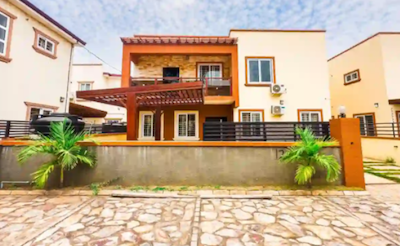
A gated development should offer more than a wall and a guard post. Buyers should look closely at road access, water supply, electricity stability, estate management, maintenance standards, and the overall condition of the surrounding area. These factors affect whether tenants will move in quickly, stay longer, and renew their leases.
Service charges also matter. Some developments charge high fees for security, cleaning, landscaping, and maintenance. Those costs reduce the money left at the end of the year, so investors need to include them when calculating real returns. A property that looks profitable on paper may perform much worse once all the expenses are added.
Vacancy is another issue. If many similar homes compete in the same neighborhood, tenants have more choices and landlords may wait longer to fill empty units. That lost time reduces income. For that reason, investors should study not just rent levels, but also how quickly homes in the area get leased.
Know the tenant before you buy
Different neighborhoods attract different renters. Corporate tenants usually want easy access to business districts, strong internet, secure parking, and a quiet environment. Young families care more about schools, playgrounds, and reliable services. Diaspora renters often want a property that feels familiar, well-managed, and easy to maintain from abroad.
That means investors need to match the property to the market. A gated development designed for families may struggle if most of the likely tenants are young professionals. A luxury estate built for expatriates may also underperform if it sits too far from major commercial areas. Knowing the tenant profile helps investors make better decisions and avoid long vacancies.

Why some developments disappoint
Beautiful homes do not always produce strong rental returns. Some gated developments look excellent but fail in the market because they sit in inconvenient locations, charge too much, or target the wrong tenants. Others suffer because estate management weakens after the initial launch, and the quality of the environment starts to decline.
Location often determines whether a development thrives or struggles. A property in a poor area may need heavy discounting just to stay occupied. Another in the right location can remain attractive even if the design is not the most expensive. That is why investors should never assume that a nice building automatically means a good investment.
The neighborhoods to watch
Accra continues to expand, and several emerging areas are becoming more relevant for gated development. Pokuase has gained attention because of improved road access and ongoing development. Amasaman is also drawing interest as infrastructure improves and more mid-range housing enters the market. Oyibi continues to appeal to middle-income buyers looking for security without the premium pricing of top Accra neighborhoods.
Other areas, including parts of Ashaiman, Lapaz, and Santa Maria, also deserve attention. They may not have the prestige of East Legon or Cantonments, but they can offer better value for buyers who care about rental income and future growth. These neighborhoods often benefit when roads, transport links, and commercial activity improve.
The common thread is infrastructure. Where roads improve, services expand, and commercial activity grows, property demand usually follows. Investors who identify these trends early often gain the most.
The final check before buying
Before buying any gated property, investors should visit the area at different times of day. They should test the commute, check for flooding after rain, and talk to current residents about maintenance, noise, safety, and service quality. A site visit often reveals problems that brochures never mention.
The best gated development cannot rescue a weak location. But the right location can help even a modest property perform well. In Accra, that difference can decide whether a buyer earns steady returns or sits on an expensive property with poor occupancy.



 English
  French